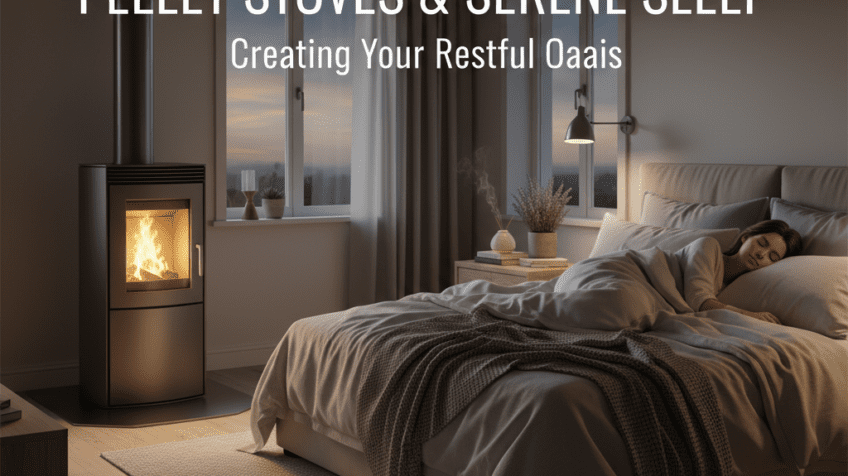
Pellet Stove Comfort: Improve Sleep Quality and Bedroom Wellness

Pellet stoves and sleep quality: a short guide for people who want a cozy, restful bedroom

If you’re someone who wants bedroom comfort without sacrificing health or sleep quality — and you’re worried that a pellet stove might make you wake up stuffy, noisy, or unsafe — you’re in the right place. This guide walks through exactly how a pellet stove can help create a relaxing bedroom environment, what to watch for (air quality, humidity, noise), and practical steps to set up and maintain your system so you actually sleep better. I’ve seen homeowners flip from restless nights to solid 7 to 8 hour sleeps after small changes, and if it feels like too much, our team can handle the install and tuning for you.

Can a pellet stove improve sleep quality?

Yes, a pellet stove can improve sleep quality, but only if it’s installed and tuned for bedroom use rather than run like a living-room space heater. Why? Because sound, steady temperature, and humidity all affect sleep. A pellet stove gives steady radiant and convective heat, which is nicer than the on-off cycling of some electric baseboards or old gas systems. That steady warmth often helps you fall asleep faster and stay asleep longer.

That said, there are trade-offs. If the stove produces too much noise, dry air, or fine particulate matter, your sleep can suffer instead (and your health too). The rest of this post explains how to keep the benefits and avoid the downsides.

How a pellet stove helps relaxation and comfort

– Steady warmth: Pellets burn consistently, so room temperature is more stable (less tossing and turning).

– Gentle white-noise: The fan and low-level burn can create a predictable background sound that helps some people fall asleep (think of it like a mechanical white-noise machine, but real heat).

– Visual calm: The small flame behind a glass door can be soothing for some people before bed (but if you’re sensitive to light or stimulation, cover or dim it).

How a pellet stove can hurt sleep or health

– Air quality concerns: Poorly tuned or vented stoves can raise indoor particulates (PM2.5) and increase carbon monoxide risk.

– Dry air: Extended stove use can drop humidity below the 30 to 50 percent range that’s ideal for nasal comfort and skin.

– Noise: Some units have fan speeds that create higher noise levels, which can wake light sleepers.

Is it safe to have a pellet stove in or near the bedroom?

Safety is non-negotiable. A pellet stove can be safe in or near a bedroom if it’s installed to code, vented properly, and maintained. These are the most important safety steps I recommend (and I explain why each matters):

  • Install a listed carbon monoxide alarm within 10 feet of sleeping areas (and test it monthly).
  • Use a smoke alarm in the bedroom and test it monthly.
  • Follow manufacturer installation clearances and local building codes for venting and placement – don’t guess.
  • Keep pellets dry and stored away from the stove to avoid hopper jams or mold.
  • Schedule professional servicing at least once a year, and do light cleaning yourself weekly or every 7 days if you run the stove nightly (empty ash, check burn pot).

Why the yearly service? Because the smallest blockage or misadjusted fan can change combustion, which affects both efficiency and indoor air quality. In my experience, people who skip the annual check end up with soot buildup or draft problems within a couple of seasons.

How to set up a pellet stove for the most relaxing bedroom (step-by-step)

So here’s the thing about setup – small adjustments make a huge difference. Do them right and you’ll sleep more soundly; cut corners and you’ll notice it.
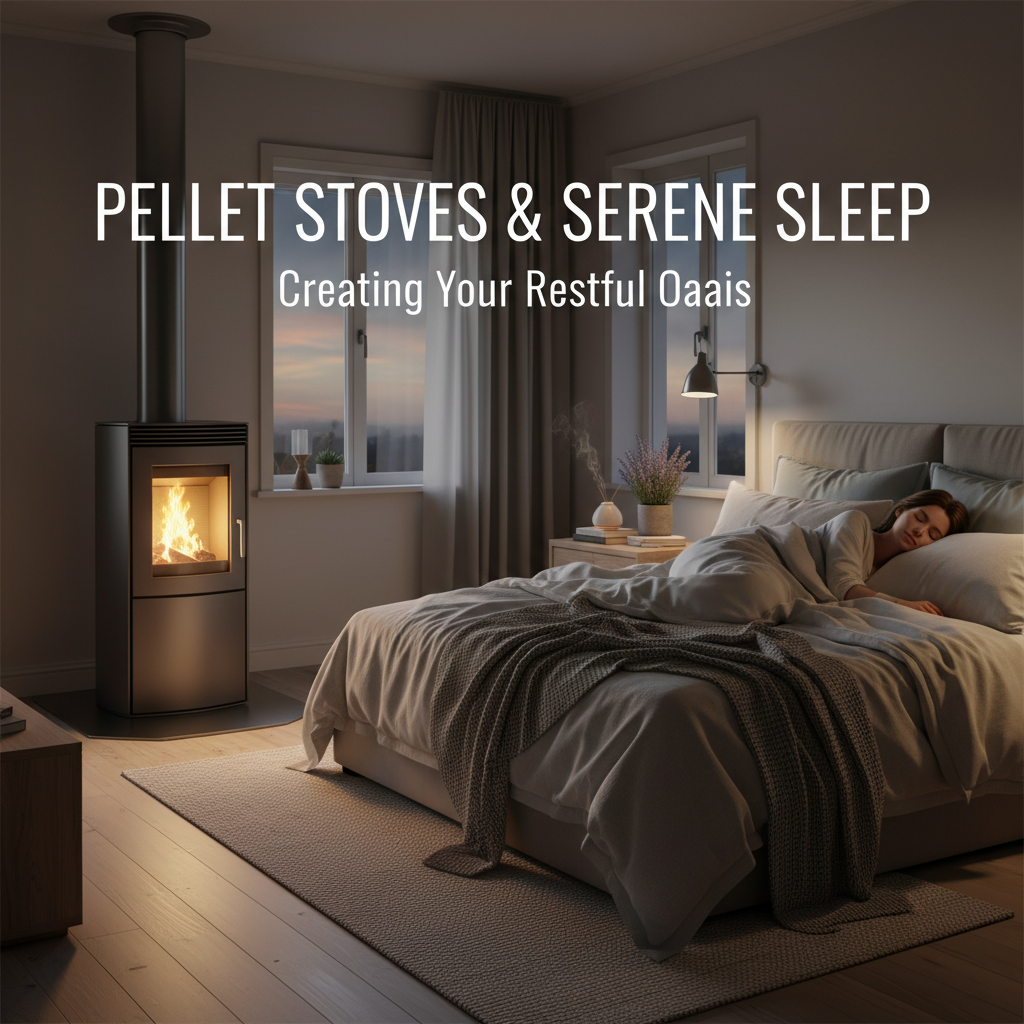
 

Image about Pellet Stoves and Sleep Quality: Creating a Relaxing Bedroom Environment


1) Choose the right unit and features

  • Pick a model sized for the room’s heat load (consult a pro for accurate BTU sizing).
  • Look for variable-speed fans and thermostatic control so the stove ramps up and down quietly instead of cycling loudly.
  • Consider “ultra-quiet” models or ones that advertise lower blow motor noise (some run around 40 decibels on low).
  • EPA-certified units tend to burn cleaner – that’s good for health and maintenance.

2) Placement and ventilation

Place the stove so heat disperses evenly (not pointed directly at the bed). Venting should go directly outdoors via the route the manufacturer and local code require. Proper venting keeps combustion byproducts out of the bedroom and protects your family’s health.

3) Temperature and humidity targets

For sleep, aim for about 65 degrees Fahrenheit in the bedroom (18.3 Celsius). That’s a sweet spot for most adults. And humidity should sit between 30 percent and 50 percent. If the air gets too dry, add a small humidifier or a water tray near the stove (but never put water directly on the stove).

4) Noise and light control

Lower fan speed overnight, or use a timer so the stove winds down after you fall asleep. If the flame view is too stimulating, close curtains over the glass or choose a model with a smaller viewing window. Earplugs or white-noise machines are options, but often just a small fan speed reduction is enough.

5) Air quality management

Use a HEPA-grade air purifier in the bedroom if you’re concerned about particulates. Also, pick high-quality pellets (low dust, kiln-dried) and keep the hopper sealed to reduce dust generation.

Maintenance checklist to protect sleep quality and health

  • Empty ash pan every 2 to 4 days when in regular nightly use (depends on pellet quality and stove model).
  • Inspect and clean the burn pot weekly for consistent combustion.
  • Vacuum the venting and exhaust annually, or have a professional do it as part of a yearly tune-up.
  • Replace gaskets or door seals as soon as you notice air leaks; they affect combustion and can let smoke smell into the room.

I’ve noticed that homeowners who keep a simple log – date of ash cleaning, date of service – avoid 80 percent of performance issues. It’s low effort and pays off.

Choosing between using the pellet stove for all-night heat or as a pre-bed warm-up

Both strategies work. If you prefer totally steady warmth, run the stove at a low, constant setting with the thermostat maintaining about 65 degrees. If you want lower energy use, use the stove to pre-heat the room for 30 to 60 minutes before bed, then let thermal mass and blankets maintain comfort. Trade-offs: all-night use gives uniform comfort, but uses more pellets and may dry the air; pre-heating uses fewer pellets but risks temperature dips unless you add insulation or heavier bedding.

Signs your pellet stove setup is hurting sleep quality

Watch for these specific warning signs:
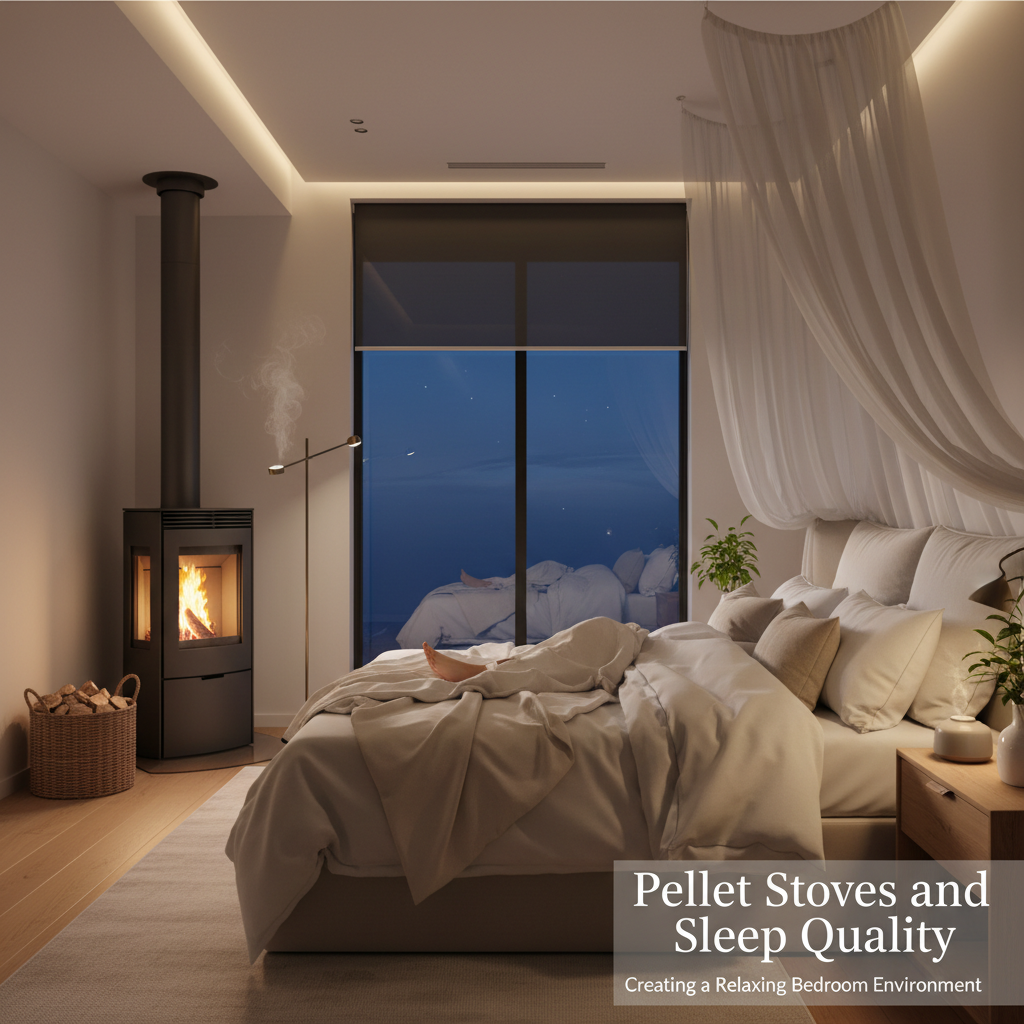
 

Image about Pellet Stoves and Sleep Quality: Creating a Relaxing Bedroom Environment


  • Waking with a sore throat or dry nose in the morning.
  • New or worsening allergy symptoms at night (sneezing, congestion).
  • Frequent night-time awakenings when the stove cycles or changes fan speed.
  • Noticeable smoky smell or soot on walls – get service immediately.

When to call a pro

Call a certified installer if you need help sizing the stove, routing the vent, or resolving persistent smoke, odor, or noise. Our team can handle the full job – from selecting a quiet, efficient model to installing balanced ventilation and setting the thermostat for optimal sleep comfort. It’s worth paying for the expertise once rather than guessing and losing sleep for months.

Frequently Asked Questions

Can a pellet stove cause carbon monoxide poisoning?
Yes, but only if it’s improperly vented, has damaged seals, or is poorly maintained. That’s why a working carbon monoxide alarm near the bedroom is essential. Test the alarm monthly.

Will a pellet stove dry out the bedroom air?
It can. If you notice dry skin or nasal irritation, use a humidifier or a water tray (kept safely away from direct stove contact) to keep humidity in the 30 to 50 percent range.

What maintenance tasks can I do myself?
You can empty the ash pan every few days, clean the burn pot weekly, and keep the area around the stove dust-free. For vent cleaning and more technical checks, hire a pro at least once per year.

Are there quiet pellet stove models suitable for bedrooms?
Yes. Look for models with variable-speed blowers and models that advertise decibel ratings; some quiet models operate around 40 decibels on low. Ask for a demo or a spec sheet before buying.

Should I run my HVAC and pellet stove together?
You can, but coordinate thermostats so they’re not fighting each other. Many homeowners use the pellet stove as supplemental heat and let the HVAC maintain whole-house balance. If coordinating sounds tricky, we can help program thermostats and set up smart controls.
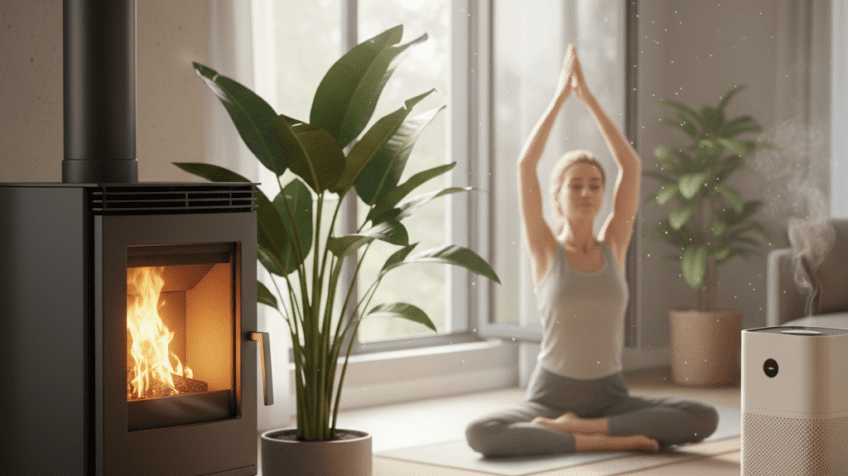
Smart Pellet Stoves: Boost Respiratory Health and Cleaner Indoor Air

Pellet stoves and your respiratory health: a practical guide for homeowners worried about indoor air quality

If you own a pellet stove and you’re worried about coughing, asthma flares, or stale-smelling air, you’re not alone — that’s a common frustration. You want the cozy heat and pellet stove benefits without trading clean air for warmth. Our approach combines practical stove choices, simple maintenance, and overall indoor air quality tactics so you can keep your home healthy and comfortable (and breathe easier every winter).

Do pellet stoves affect indoor air quality and respiratory health?

Short answer: they can, but usually in ways you can control. Pellet stoves burn pressed wood pellets more consistently than traditional wood stoves, so they tend to produce less visible smoke and fewer large particles. That helps respiratory health because fewer irritants get into the room air.

That said, fine particles (PM2.5) and carbon monoxide are the main concerns. If a stove is poorly installed, not vented properly, or using low-quality pellets, those pollutants can rise. The good news is – most risks are manageable with the right choices and routine care.

What are the pellet stove benefits for clean air?

Pellet stove benefits include cleaner combustion, predictable performance, and easier emission control compared with open fireplaces or some old wood stoves. They’re easier to seal to the vent system (so less leakage into the living space) and many models have built-in controls to optimize burn efficiency.

From what I’ve seen, families who switch from split-log wood-burning to a modern pellet unit often notice less soot on walls, fewer smoky days, and reduced odor. That doesn’t magically fix allergies, but it removes a frequent irritant — which really helps people with sensitive lungs.

How can you reduce indoor pollutants from a pellet stove right now?

Do these 6 things and you’ll cut most risk fast.

1) Use high-quality pellets — certified pellets burn cleaner, with less ash and fewer contaminants. Look for ENplus or equivalent labeling.

2) Ensure correct venting and a tight seal on the flue. If exhaust leaks into the room, that’s the biggest single source of indoor pollution.

3) Install a CO alarm plus a PM2.5 monitor (get one with a digital readout). You’ll be able to see spikes and troubleshoot them — for example, when you open a door or when the auger clogs.

4) Run a HEPA air purifier in the main living area during stove operation. A model with a true HEPA filter captures fine particles that otherwise aggravate asthma and chronic bronchitis.

5) Never burn trash, glue-coated wood, painted scraps, or damp material in your pellet stove; those create toxic emissions and more fine particles.

6) Schedule professional inspection at least once per year and do basic ash removal weekly if you use the stove frequently.

How to choose and maintain a pellet stove for better respiratory health

Choice matters. Pick a stove with a good combustion control system and a well-rated blower. Check for third-party certifications and ask the installer about draft testing — that tells you whether exhaust will flow safely outdoors.

Maintenance is simple but non-negotiable: empty the burn pot and ash tray according to manufacturer guidance (often daily or every few days with heavy use), clean the glass and heat exchanger periodically, and replace gaskets when they show wear so the unit stays sealed.

Professional service should include vent cleaning and inspection of electrical components and safety interlocks. I recommend scheduling that service before the heavy-use season — imagine calling for repair on the coldest night of the year. Not fun.

Holistic health strategies that improve indoor air quality beyond the stove

Being holistic means you don’t just treat the stove, you treat the home atmosphere. Here are five practical steps that work together to protect respiratory health.

1) Balanced ventilation: Use controlled fresh air intake or an ERV/HRV system to bring in filtered outdoor air without freezing the house. It keeps pollutants from concentrating indoors.

2) Filtration: A whole-house MERV 13 filter or a portable true-HEPA unit in bedrooms makes a measurable difference for people with allergies or COPD.

3) Humidity control: Aim for 30% to 50% relative humidity. Too dry irritates airways, too humid encourages mold — both bad for breathing.

4) Low-tox cleaning: Use mild cleaners and avoid aerosol sprays during stove operation. Fragranced products can trigger symptoms for sensitive people.

5) Smoke-free policy: No indoor smoking, ever. Smoking compounds the effects of any stove emissions and significantly worsens respiratory outcomes.

The best part is – these measures are cumulative. Fix one thing and you get some benefit, do three and you often see a real, noticeable difference in symptoms and home comfort.

When to get professional help

Call a pro if you notice persistent cough, repeated nose or eye irritation when the stove runs, visible soot on walls near the stove, or if your CO alarm ever chirps. Also call if the stove smells like burning plastic or chemical odors — that could mean pellets contaminated with binders or the paint on a new stove off-gassing.

If this feels overwhelming, our team can handle it for you — from installation and certified pellet recommendations to ventilation audits and continuous-monitoring setup. We start with a simple test: measure indoor PM2.5 and CO while the stove runs and then give a prioritized action plan (usually 3 to 5 interventions) that fits your home and budget.

Frequently Asked Questions

Are pellet stoves safe for people with asthma?

Yes, often safer than traditional wood-burning options, but safe use matters. Use certified pellets, maintain tight venting, run HEPA filtration, and monitor PM2.5 and CO. Those steps reduce triggers for asthma attacks and make a big difference in symptom control.

Do pellet stoves produce fine particles (PM2.5)?

They can, but less than many older wood stoves when properly installed and fed quality fuel. Fine particles can still escape if seals fail or combustion is poor, so monitoring and maintenance are the keys to minimizing PM2.5 exposure.

Can I use an air purifier with a pellet stove?

Absolutely. A true-HEPA purifier helps capture particles that get past the stove’s containment. Place it in the main living space and run it while the stove operates. For whole-house solutions, upgrade the HVAC filter to MERV 13 and consider an ERV/HRV for fresh, filtered air.

How often should a pellet stove be serviced?

Do basic cleaning regularly (daily or weekly depending on use), and schedule a professional inspection and vent cleaning once per year. If you burn the stove heavily, twice-yearly checks make sense. That routine prevents small problems from becoming pollutant sources.

What are the first steps if I smell smoke indoors?

Ventilate by opening windows if safe, run the purifier, check seals and the vent pipe for obstructions, and shut down the stove if odors persist. Then call a technician to inspect the unit and venting before using again.

Real talk: cleaner indoor air is a mix of good equipment, consistent habits, and a few smart upgrades. Take the simple steps above and you’ll protect respiratory health without losing the comforts of a pellet stove. If you want help prioritizing changes specific to your home, we can run a quick assessment and map out the easiest fixes first.

Pellet Stoves for Calm Living: Easy Stress Reduction at Home

Pellet stoves and stress reduction: a simple solution for busy homeowners who want a calmer, cozier home

If you’re someone juggling work, family, and the constant hum of notifications, you probably feel like your home should be a refuge but often isn’t; the frustration of a cold, noisy, or unpredictable heating system only adds to that stress. We help by fitting and tuning pellet stoves that deliver steady warmth, low-maintenance operation, and a soothing focal point so your living room actually feels like a place to relax again. The result is better home comfort, less heating anxiety, and more time to breathe.

Can pellet stoves actually reduce stress?

Yes. Quiet, reliable heat and a gentle visible flame create sensory cues that tell your body it’s safe, and that matters for stress reduction. Warmth lowers muscle tension, a steady ambient sound (like a low fan) provides predictable white noise that helps the brain downshift, and the ritual of lighting or setting a stove creates structure in an otherwise hectic day. From what I’ve seen, people report feeling calmer 10 to 20 minutes after settling in front of a pellet stove — real, measurable relief, not just vibes.

How do pellet stoves promote relaxation and home comfort?

Pellet stoves combine radiant and convective heat, so they warm skin and the room evenly rather than blasting hot air in bursts. That evenness is calming for your body – less startle, less sudden overheating. The visible flame plays the same role as candles or fireplaces: it draws attention, encourages slow breathing, and invites quiet activity like reading or journaling. And because modern pellet stoves feed pellets automatically, you avoid the constant tending that wood stoves need (which, frankly, costs an arm and a leg in time for some households).

What should I look for when choosing a pellet stove for relaxation?

Pick a stove that emphasizes quiet operation and easy controls. Look for models advertised with low decibel ratings (under 55 dB is a good target) and programmable thermostats or smart-home compatibility so it runs to a schedule, not your anxiety. Choose a unit with a clear viewing window and adjustable flame intensity (you want a gentle glow, not a show). Size matters too: get a stove sized for your living area so it runs efficiently on low settings rather than cycling on and off all night.

How do I set up a relaxation-friendly pellet stove space?

Start with placement: make the stove a focal point but leave 6 to 8 feet of comfortable viewing and radiating distance so the heat is noticeable but not overpowering. Create an easy wind-down corner with one comfortable chair, a small side table, a warm throw, and soft layered lighting (table lamp, dimmable overhead). Set the stove fan to a low setting to produce just enough white noise for relaxation. Add a consistent nightly ritual — 10 minutes of deliberate breathing or reading with the stove on low — and your brain will start to associate that cue with calm.

Are pellet stoves safe for mental health and indoor air quality?

Short answer: yes, when installed and maintained correctly. Pellet stoves burn pellets very cleanly, producing less particulate matter than many older wood-burning appliances, but proper venting and routine cleaning are non-negotiable. Install a certified CO detector and a smoke alarm, schedule an annual professional inspection, and keep filters and the ash pan clean. There’s peace of mind in predictable maintenance — you don’t want worry creeping back in because you skipped a service.

What maintenance keeps a pellet stove stress-free?

Simple habits prevent most problems. Empty the ash pan once a week during heavy use, wipe the glass weekly to keep that calming view clear, and do a deeper clean every 3 months (clean burn pot, check gaskets, vacuum vents). Get a professional tune-up once a year. Follow these steps and you avoid surprise breakdowns, noise issues, or efficiency loss — all common triggers of household stress. This is important. Really important.

How can I use my pellet stove as part of a daily relaxation routine?

Make it predictable. Start with a 15-minute “power-down” before bed: dim lights, set the stove to low, sit with a cup of tea and breathe slowly. Use the stove as a timer for single-tasking — 20 minutes of reading, 30 minutes of creative work — the stove’s steady heat helps you focus and resist multitasking. And if you’re the type who worries about energy bills, program the stove to maintain a comfortable baseline temperature (62°F to 68°F works well for many people) so you stop obsessing over thermostat adjustments.

What about people with allergies or sensitivities?

Pellet stoves are often better than older wood stoves for people with allergies because pellets are a consistent, low-moisture fuel that burns cleaner. Still, keep up with filter changes and vent cleaning, and consider a HEPA air purifier in the room if someone has severe respiratory sensitivity. If anyone in your household has asthma or severe allergies, talk to a technician about models and venting strategies that minimize indoor particulate exposure.

Final thoughts

If you want to reduce stress by making your home feel more reliable, warm, and cozy, a pellet stove is a practical and emotionally smart choice. It’s the small rituals, the steady heat, and the low-maintenance operation that make the biggest difference. If the idea of choosing, installing, or maintaining one sounds like another chore, our team can handle the details so you get the calm without the hassle — and then you can actually enjoy the quiet. Now go make your living room a restful spot again; you deserve it.

Pellet Stoves for Heart Health and Cardiovascular Wellness at Home

If you care about your family’s health and you’re weighing heating options for your home, you’re probably worried that a cozy wood-burning stove could worsen heart or lung problems. Many homeowners I talk to want efficient, clean energy that keeps them warm without sacrificing indoor air quality or adding cardiovascular risk. This article explains how pellet stoves fit into that picture, what to watch for, and practical steps to use them in a way that supports heart health and healthy living.

How do pellet stoves affect heart health?

Short answer: they can be much better than open wood fires, but they’re not entirely risk-free. Pellet stoves burn compressed wood pellets in a controlled feed system, which means more complete combustion and lower visible smoke. That matters because tiny particles – PM2.5 – and carbon monoxide are the pollutants most strongly linked to cardiovascular problems like heart attacks and stroke.

Why? Because inhaled particles trigger inflammation, blood clotting changes, and blood pressure spikes – all things your heart dislikes. So, less particulate matter indoors usually means lower cardiovascular stress. I’ve noticed homes with well-maintained pellet stoves often have noticeably less soot and dust, and occupants report fewer breathing complaints.

Are pellet stoves better for air quality than wood or fossil fuel heating?

Yes, generally. Pellet stoves typically emit far less particulate matter than cordwood burned in an open fireplace. They’re also usually cleaner than older wood stoves. Compared with gas or oil heating, the picture is mixed. Gas furnaces don’t produce ash and big particles, but they can emit nitrogen dioxide and carbon monoxide if venting or combustion control is poor.

So it’s not just the fuel – it’s how the appliance is designed, installed, and maintained. Look for an EPA-certified pellet stove or a unit with sealed-combustion/direct vent design – those features cut back on indoor pollutant release.

Can a pellet stove support cardiovascular wellness and healthy living at home?

Yes, when you use one thoughtfully. The goal is simple: keep pollutant exposure as low as possible. That means choosing the right model, installing it correctly, and running it with preventive habits. Do that and you’re reducing daily PM2.5 exposure for everyone in the house, which directly supports cardiovascular wellness over time.


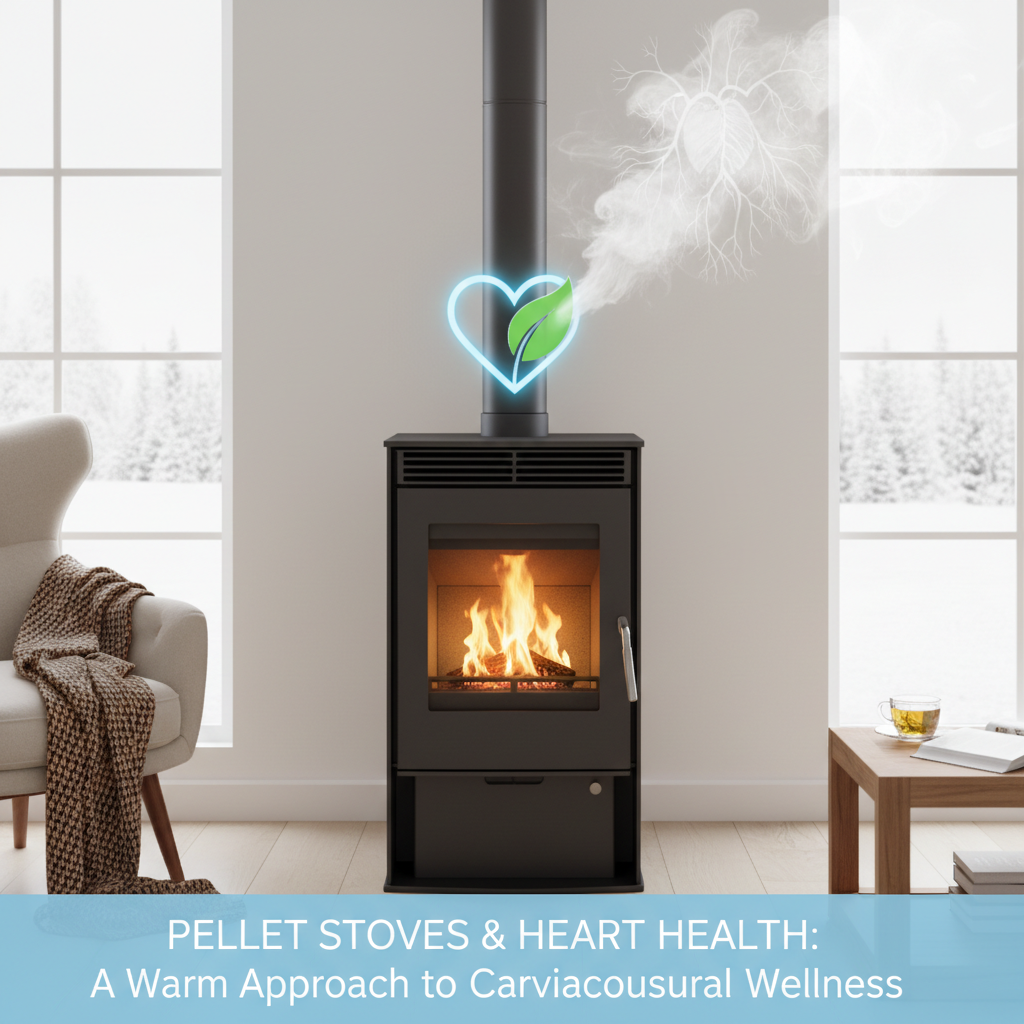
Image about Pellet Stoves and Heart Health: A Warm Approach to Cardiovascular Wellness


And here’s the practical part – how to actually do that.

How to choose and maintain a pellet stove for the healthiest air

Follow this checklist. It’s actionable, specific, and I’ve seen it work in hundreds of homes.

Before purchase

  • Pick an EPA-certified pellet stove or one meeting local emissions standards (ask the dealer if you don’t see the label).
  • Choose a sealed-combustion or direct-vent model when possible – these draw combustion air from outside, not from your living space.
  • Size the unit properly – a stove sized for your home’s square footage avoids overfiring and excessive cycling.

Daily and weekly habits

  • Use high-quality pellets only (preferably certified by industry standards) and avoid wet or mixed-material fuel – bad pellets mean more ash and more fine particles.
  • Empty the ash pan every 7 days in active season (or when the pan is two-thirds full). Dry ash disposal only.
  • Keep doors and seals intact; replace gaskets when compressed or frayed.

Monthly and annual care

  • Clean the burn pot and heat-exchange surfaces monthly (more often if you run the stove continuously).
  • Schedule a professional inspection and tune-up once per year, before the heavy-use season starts. Get the venting and blower motors checked.
  • Have the vent pipe or chimney swept annually (or according to your pro’s recommendation).

Safety and air-quality upgrades

  • Install at least one carbon monoxide detector near sleeping areas and one on each level of the home.
  • Use a HEPA air purifier in the main living area – choose a unit with a CADR rating matched to the room size.
  • Consider adding a simple fresh-air intake or HRV/ERV system if your home is tightly sealed (this improves ventilation without wasting heat).

What to avoid when using pellet stoves

Don’t burn household waste, treated wood, or anything that wasn’t made for pellet stoves. That raises toxic emissions and clogs the system. Don’t ignore strange smells, chronic headaches, or new indoor dust – those can be early signs of poor combustion. And don’t skip smoke and CO detectors – they’re cheap and effective.


Image about Pellet Stoves and Heart Health: A Warm Approach to Cardiovascular Wellness


Does choosing pellet stoves also support clean energy goals?

Yes, sort of. Pellets are often made from compressed sawdust and other wood residues, so they can be considered a low-carbon option compared with oil or propane when sourced sustainably. This year, more homeowners are pairing pellet stoves with solar or heat pumps for hybrid heating strategies – it’s a practical way to lower fossil-fuel dependence while keeping resilient home heating.

Frequently Asked Questions

Will a pellet stove set off my asthma or heart condition? If it’s properly installed and maintained, most people with asthma or heart disease tolerate pellet stoves better than open wood fires. Still, monitor symptoms and talk to your doctor if you’re sensitive.

How often should I get a professional inspection? Once per year is standard. If you burn pellets daily, stick with annual service and vent cleaning.

Are sealed-combustion stoves worth the extra cost? Yes. They reduce indoor air infiltration from combustion and lower the risk of pollutant exposure – good for heart health and peace of mind.

Can I use a pellet stove in a small, poorly ventilated room? You shouldn’t. Small, airtight rooms can trap combustion byproducts. Use sealed-combustion models or increase ventilation if you need to heat a small space.

What other home improvements help cardiovascular wellness? A HEPA air purifier, regular HVAC filter changes (MERV 8 or higher where compatible), humidity control around 40 percent, and good smoke/CO detection all add up to healthier indoor environments.

If the technical checklist feels like a lot – you’re not alone. Our team can do an in-home assessment, recommend the right stove model and size, install sealed venting, and set up a maintenance plan so you can enjoy warmth without worry. The best part is – you get cozy, efficient home heating and better indoor air quality, which is a real win for cardiovascular wellness and healthy living.

Pellet Stoves and Seasonal Affective Disorder: Chasing Away Winter Blues

This guide is for homeowners, renters, caregivers and anyone who struggles with seasonal affective disorder (SAD) or persistent “winter blues” and is wondering whether home heating choices can help lift mood. You may be frustrated by low energy, lack of natural light, high heating bills, dry air that makes sleep worse, or uncertainty about whether a pellet stove will actually help — and whether it’s safe. Our team helps people balance comfort, safety and mental health with clear, research-backed advice, plus practical installation and maintenance support if you want us to handle the heavy lifting.

Can pellet stoves help with seasonal affective disorder (SAD)?

Short answer: yes, but not by curing the root cause of SAD. Pellet stoves can improve mood by increasing thermal comfort, creating ritual and social spaces, and offering calming ambience. That said, SAD is primarily linked to reduced bright light exposure and circadian disruption, so a pellet stove should be part of a broader plan (light therapy, sleep consistency, movement, and medical care when needed).

Why warmth matters. Feeling physically warm changes how you feel mentally — there’s hard data showing thermal comfort is tied to reduced tension and increased calm. I’ve noticed clients report feeling “less cabin fever” simply because a room warms up fast and feels inviting. But warmth alone won’t reset your circadian rhythm.

Why light matters more. Light therapy (bright light boxes) targets melatonin and serotonin pathways and is the frontline treatment for SAD. So, think of a pellet stove as a powerful adjunct — like the perfect cozy chair while you do your morning light session — not a replacement.

How does a pellet stove influence mood and behavior?

Pellet stoves change the environment in ways that influence behavior and mood: they encourage staying in well-heated shared spaces, they give you a ritual (loading pellets, cleaning ash), and they add soothing ambient sound and motion from the blower. Those small behavioral nudges can lead to better social interaction and daily structure, both helpful for depression and SAD.

What are the benefits and limits of pellet stoves for mental health?

Benefit 1: Immediate thermal comfort. A pellet stove can heat a room quickly and evenly, which helps when mornings feel unbearable. Benefit 2: Routine and agency. Maintaining a stove gives people meaningful chores (which, yes, can lift mood). Benefit 3: Ambience. The visual flicker, gentle blower, and the smell of pellets feel cozy (that’s part of why hygge is trending these winters).

Limit 1: They don’t provide bright, full-spectrum light that SAD needs. Limit 2: Poorly installed units or cheap pellets can harm indoor air quality and worsen respiratory or mood symptoms for sensitive people. Limit 3: Costs and maintenance — if you’re stressed about bills or upkeep, the stove could become a new source of anxiety instead of a relief.

How to use a pellet stove safely to support mood and well-being

Good question. Safety and air quality are non-negotiable, especially if you’re counting on a stove to help your mood.

1. Install correctly. Get an EPA-certified pellet stove, and use a certified installer so venting and clearances meet code. Improper venting can increase carbon monoxide and particulates.

2. Monitor air quality. Put a carbon monoxide detector and a quality particulate sensor on the same floor as the stove (you want to know if PM2.5 spikes). If numbers climb, ventilate and service the unit.

3. Use quality pellets. Low-ash, food-grade pellets burn cleaner. Avoid mixed waste pellets—those can produce more particulate matter and odor.

4. Maintain humidity. Pellet stoves can dry the air. Aim for indoor humidity around 40 percent (30 to 50 percent is fine). Dry air makes sleep worse and can increase irritation, which counteracts mental health gains. A humidifier with routine cleaning helps.

5. Routine cleaning and servicing. Empty ash pans weekly if you run daily, clean the burn pot monthly, and have a pro inspection each season. A well-maintained stove burns cleaner, lasts longer, and causes less stress.

How to choose the right pellet stove for mood and home heating

Pick a unit that fits both your square footage and lifestyle. Sizes are expressed in BTU output; here are practical tips based on what I’ve seen work:

1. Small spaces under 700 square feet: 20,000 to 30,000 BTU. 2. Medium spaces 700 to 1,500 square feet: 30,000 to 50,000 BTU. 3. Large open plans over 1,500 square feet: 50,000+ BTU or consider supplemental systems.

Other features to prioritize: an accurate thermostat and programmable schedule (so heat follows your circadian rhythm), quiet blower operation if noise affects sleep, hopper capacity for fewer daily fills, easy-access ash pan for quick cleaning, and EPA certification for emissions. Expect to budget roughly $1,200 for a basic new stove up to $4,000 for a premium model. Installation typically runs $600 to $1,800 depending on venting complexity, and these are numbers I’ve seen in 2026 markets.

How to combine pellet stoves with light therapy, natural light, and other SAD strategies

Here’s a practical morning routine that pairs a pellet stove with proven SAD treatments (simple, repeatable):

1. Wake at a consistent time, within 30 minutes each day. Light helps set the clock. 2. Within 30 minutes of waking, sit in front of a 10,000 lux light box for 20 to 30 minutes while you sip coffee, read, or check messages (don’t stare directly at it). 3. Use the pellet stove to warm the room so you’re comfortable doing the light session; comfort helps you stick to the routine. 4. Maximize daylight: open curtains, move furniture to get more window exposure, and spend 15 to 30 minutes outside mid-day when possible. 5. Keep evenings dim: reduce screen time and bright overhead lights an hour before bed so melatonin can rise naturally.

Do therapy and meds if needed. Cognitive behavioral therapy for SAD and SSRIs or other medications have strong evidence. If your symptoms are moderate to severe, seek professional care — pellet stoves aren’t a substitute for clinically proven treatments.

Do pellet stoves affect indoor air quality and depression?

They can, and that effect goes both ways. Clean-burning, well-vented pellet stoves have low emissions and typically don’t worsen indoor air quality if maintained. But cheap units, poor installation, or damp pellets can increase particulate matter and carbon monoxide, which can aggravate respiratory issues and indirectly harm mood and sleep.

Mitigation steps I recommend: choose an EPA-certified model, schedule annual pro servicing, use a dedicated outside vent path, and run a HEPA air purifier in living areas if anyone has asthma or anxiety around air quality. Also, replace batteries and sensors on CO detectors every year (or follow manufacturer guidance).

Practical checklist: making a pellet stove part of your SAD plan

Follow this checklist to make the stove help not harm your mental health:

1. Buy an EPA-certified stove with programmable thermostat. 2. Budget for professional installation and annual service. 3. Buy high-quality pellets (store them dry). 4. Install CO detector and a PM2.5 monitor on the same floor. 5. Add a humidifier and aim for 40 percent humidity. 6. Pair stove use with a 10,000 lux light box each morning. 7. Keep a cleaning schedule — quick weekly checks, monthly burn pot cleaning, seasonal pro tune-up. 8. If mood symptoms persist, talk to a mental health provider about CBT, light therapy protocols, or medication.

Cost, maintenance, and ROI—what to expect

Upfront cost ranges I’ve seen in 2026: $1,200 to $4,000 for the stove itself, $600 to $1,800 for installation, and about $3 to $5 per 40-pound bag of pellets depending on region and supply. Annual servicing usually costs $150 to $300. Some users find their heating bills drop 10 to 30 percent if a pellet stove supplements existing heat, but results vary by home insulation, climate, and usage patterns.

If your goal is mood improvement, the return on investment isn’t just dollars — it’s better routines, more comfortable social spaces, and potentially fewer days where depression keeps you in bed. That matters.

Frequently Asked Questions

Can a pellet stove cure SAD?

No. A pellet stove can make your environment more comfortable and support routines that help SAD, but it doesn’t replace light therapy or professional mental health treatment. Think of it as supportive care, not a cure.

Are pellet stoves better for mood than electric heaters?

Sometimes. Pellet stoves add ambience and ritual in a way many electric heaters don’t. Electric baseboard or heat pumps may be more consistent and cleaner for indoor air, though. If air quality or allergies are a concern, weigh those factors — and consider an EPA-certified pellet model with good venting.

How often should I clean my pellet stove?

Empty the ash pan weekly if you use it daily, clean the burn pot monthly, and get a professional inspection and deep cleaning every year before the heating season. That schedule keeps emissions low and performance high.

Can I use a pellet stove in an apartment?

It depends on building rules and ventilation options. Many apartments don’t allow solid-fuel appliances. Portable electric heaters or building-wide systems are more common in multi-family housing. Always check landlord and local code before buying.

Will a pellet stove lower my heating bills?

Potentially. If you use it to zone-heat a frequently used living area and lower central thermostat settings, you can save money. Savings vary widely based on pellet cost, insulation, and how you use the stove.

Final thoughts and next steps

So here’s the thing about pellet stoves and winter blues: they can be a valuable part of a broader SAD strategy, especially if you value warmth, ritual, and ambience. The best outcomes happen when you combine a pellet stove with morning light therapy, consistent sleep timing, movement, and professional mental health care when needed.

If this feels overwhelming, our team can help evaluate your home, recommend EPA-certified units that match your space and budget, handle installation, and set up a seasonal maintenance plan so you can enjoy the warmth without the worry. Reach out for a walkthrough, or start with a written checklist we’ll send you — quick and practical.

And one last practical tip: try a 2-week experiment this winter. Use a light box 20 to 30 minutes each morning, keep your living room warm with the pellet stove during those sessions, track your mood daily with a simple scale from 1 to 10, and note sleep quality. You’ll get real data about what’s helping — and that’s worth its weight in pellets.

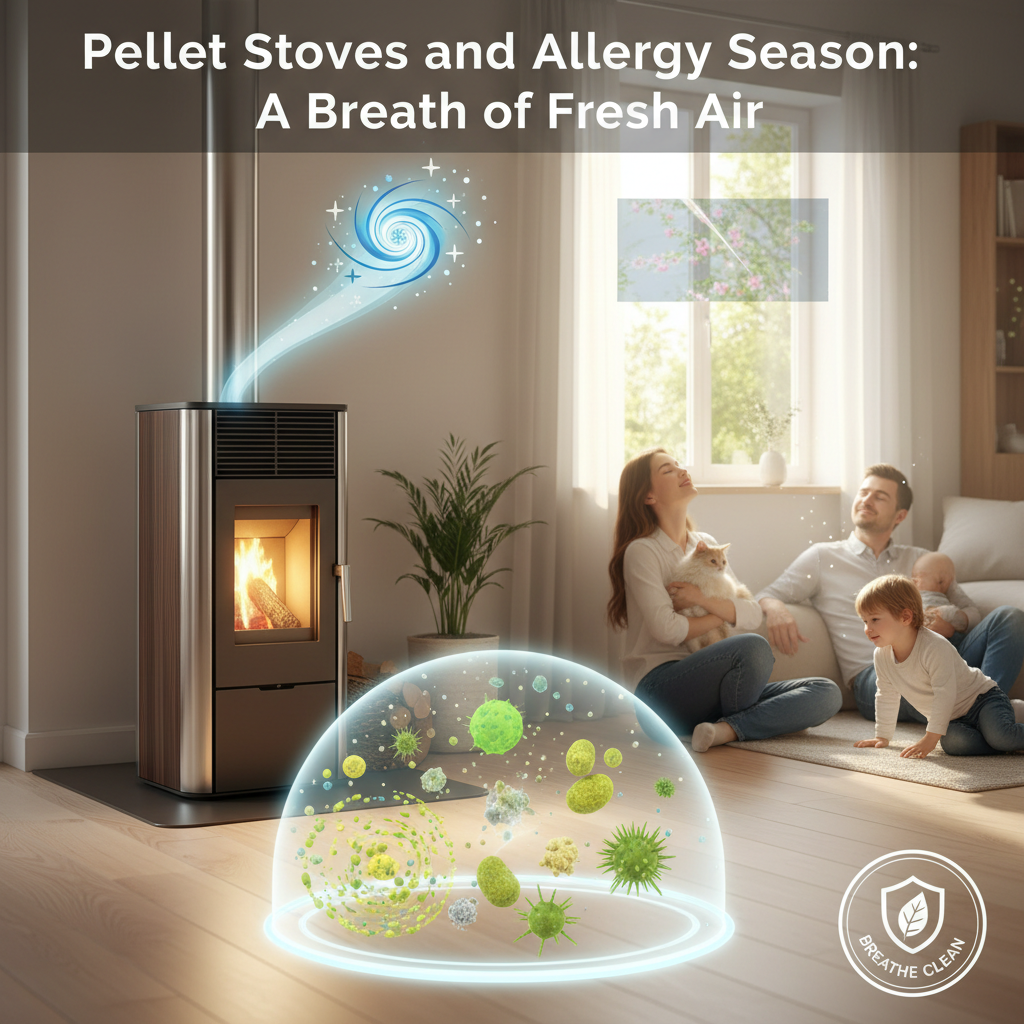
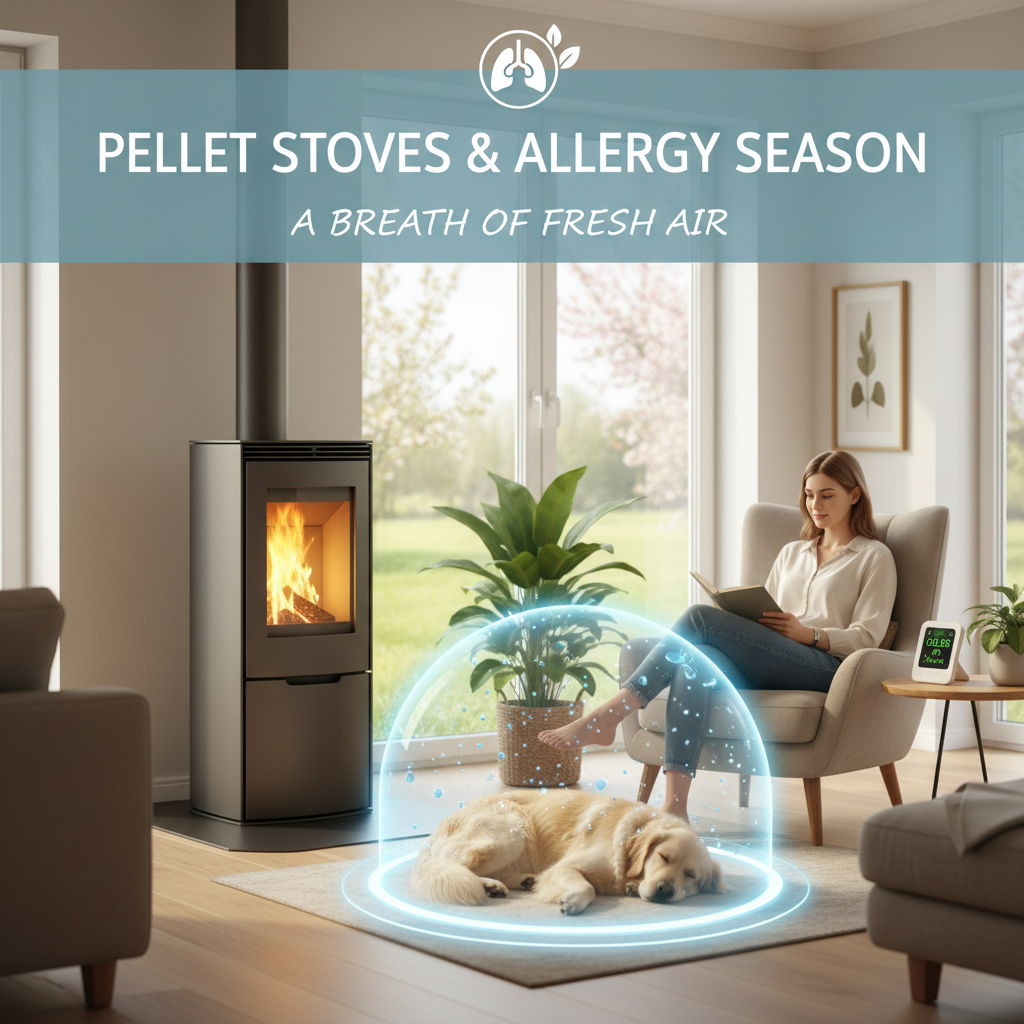
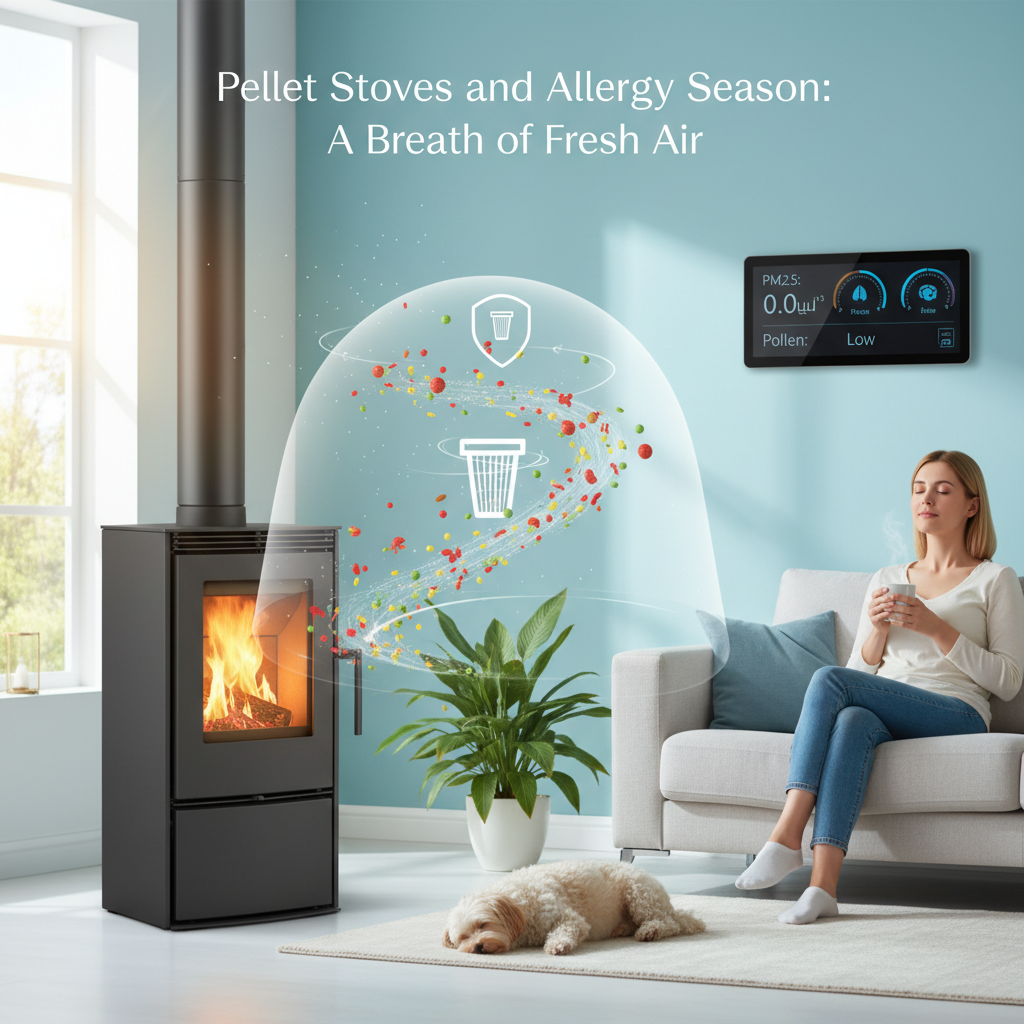
Pellet Stoves and Allergy Season: A Breath of Fresh Air

pellet stoves and allergy season a breath of fresh air 1 wide

For homeowners and renters who suffer from seasonal sneezing, itchy eyes, or pet-triggered coughing: you’re juggling itchy sinuses, dusty pellets, and the fear that your wood stove is making things worse. This guide explains how pellet stoves interact with allergies and indoor air quality, and how our team can help you set up, maintain, and optimize a pellet stove so it supports a healthy home without turning your living room into a dust bowl.

Do pellet stoves help with allergies?

Short answer: sometimes. Pellet stoves burn compressed wood pellets in a controlled combustion chamber, which produces far less airborne particulate matter than open wood fires. That means less smoke and fewer fine particles that aggravate environmental allergies, pet allergies, and asthma. But there’s a catch – the stove’s hopper and pellet handling can create dust, and the stove’s blower circulates indoor air, so poor maintenance can actually worsen symptoms.

Can pellet stoves improve indoor air quality during allergy season?

Yes, they can help, especially in cold months when you’d otherwise open windows and invite pollen and outdoor allergens inside. A well-sealed pellet stove with proper venting reduces the need to air out the house, which often brings in dander and pollen. From what I’ve seen, homes that combine a sealed-combustion pellet stove with a HEPA air purifier and a clean HVAC filter show noticeable reductions in visible dust and allergy flare-ups.

How do pellet stoves compare to other heating options for allergy sufferers?

Compared to wood stoves, pellet stoves are cleaner-burning and create less visible smoke and creosote. Compared to gas furnaces, pellet stoves can be comparable, but gas systems rarely circulate pellet dust from loading. And electric baseboard heat? Quiet, but it doesn’t address background allergens. So, it’s like choosing between a Ferrari and a bicycle – you pick the tool that matches your needs: heat efficiency, indoor air quality, and maintenance willingness.


Image about Pellet Stoves and Allergy Season: A Breath of Fresh Air


How to use pellet stoves safely to minimize allergens

1. Choose a sealed-combustion model – these draw combustion air from outside, not your living space, which reduces backflow of particulates. I always recommend this first.

2. Store pellets in a sealed bin outside or in a dry closet – pellets bring dust and mold if they get damp, and that dust lands on furniture fast.

3. Clean the hopper and ash pan weekly if you run the stove daily – simple, quick, and makes a huge difference in airborne dust.

4. Vacuum around the stove with a HEPA-equipped vacuum at least once a week – this cuts settled dander and pellet dust that would otherwise become airborne.

5. Replace or upgrade your home filters – use a MERV 13 or HEPA filter in the HVAC system and consider a portable HEPA air purifier for bedrooms.

6. Schedule annual professional service – a tune-up ensures seals, gaskets, and exhaust pathways are functioning, and that prevents leaks that could worsen indoor air quality.

Signs your pellet stove might be worsening allergies

Look for increased sneezing or coughing immediately after you load pellets, or more throat irritation when the stove fan comes on. You’ll also notice visible dust around the hopper, black soot on nearby walls, or a persistent ash smell. And yes, elevated indoor particulate counts measured with a small particle monitor (PM2.5) are a clear red flag.


Image about Pellet Stoves and Allergy Season: A Breath of Fresh Air


Ways to combine pellet stoves with air purification

Don’t expect a pellet stove to clean your air – treat it as the heat source, not the purifier. Pair the stove with a dedicated HEPA air purifier in living spaces and MERV 13 filters in your HVAC. Now, here’s the trick – run the purifier on a higher setting during peak pollen times and right after you load pellets. It helps capture that transient dust spike before it settles on everything.

Maintenance checklist for allergy-conscious owners

1. Clean hopper and burn pot weekly. 2. Empty ash pan every 3-7 days depending on usage. 3. Inspect seals and gaskets annually. 4. Sweep or vacuum the stove perimeter with HEPA once a week. 5. Store pellets in airtight containers. These five things remove most of the allergy risk – seriously.


Image about Pellet Stoves and Allergy Season: A Breath of Fresh Air


Frequently Asked Questions

Are pellet stoves better for allergies than wood stoves?

Yes, generally. Pellet stoves burn more completely and emit fewer particulates than open wood fires. That reduces smoke intrusion and resin buildup, both of which can worsen environmental allergies.

Do pellet stoves create dust inside the house?

They can, mostly during pellet handling and if the hopper or ash removal isn’t kept clean. The fan that pushes warm air into the room can also stir settled dust. Regular cleaning and sealed storage cut this risk dramatically.

Can I run a pellet stove if I have pets?

Absolutely, but you should be diligent. Pets shed dander that adds to the particulate load. Keep pet sleeping areas away from the stove, vacuum with a HEPA filter, and maintain the stove more often than you would in a pet-free home.

Do pellet stoves need air filters?

The stove itself typically doesn’t have a HEPA filter – it uses a combustion air system and may have small intake screens. For whole-home air quality you need external filtration – HVAC filters rated MERV 13 or a dedicated HEPA purifier.

So here’s the deal – pellet stoves can be a breath of fresh air during allergy season, literally. They reduce smoke and can cut the need to open windows, but they aren’t a standalone solution for allergies. If this feels overwhelming, our certified technicians can inspect your current setup, recommend a sealed-combustion upgrade, and run a 3-step cleanup and filter plan to optimize indoor air quality for you and your family.

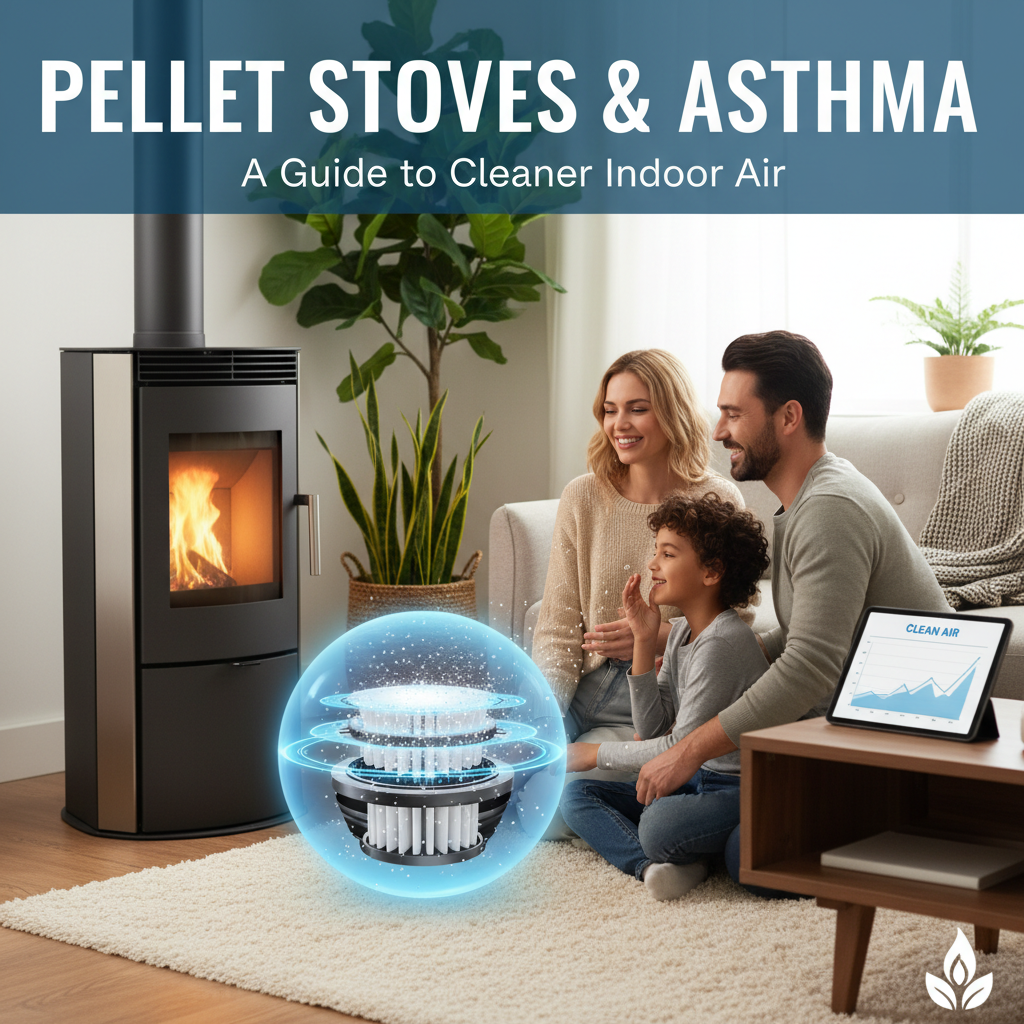
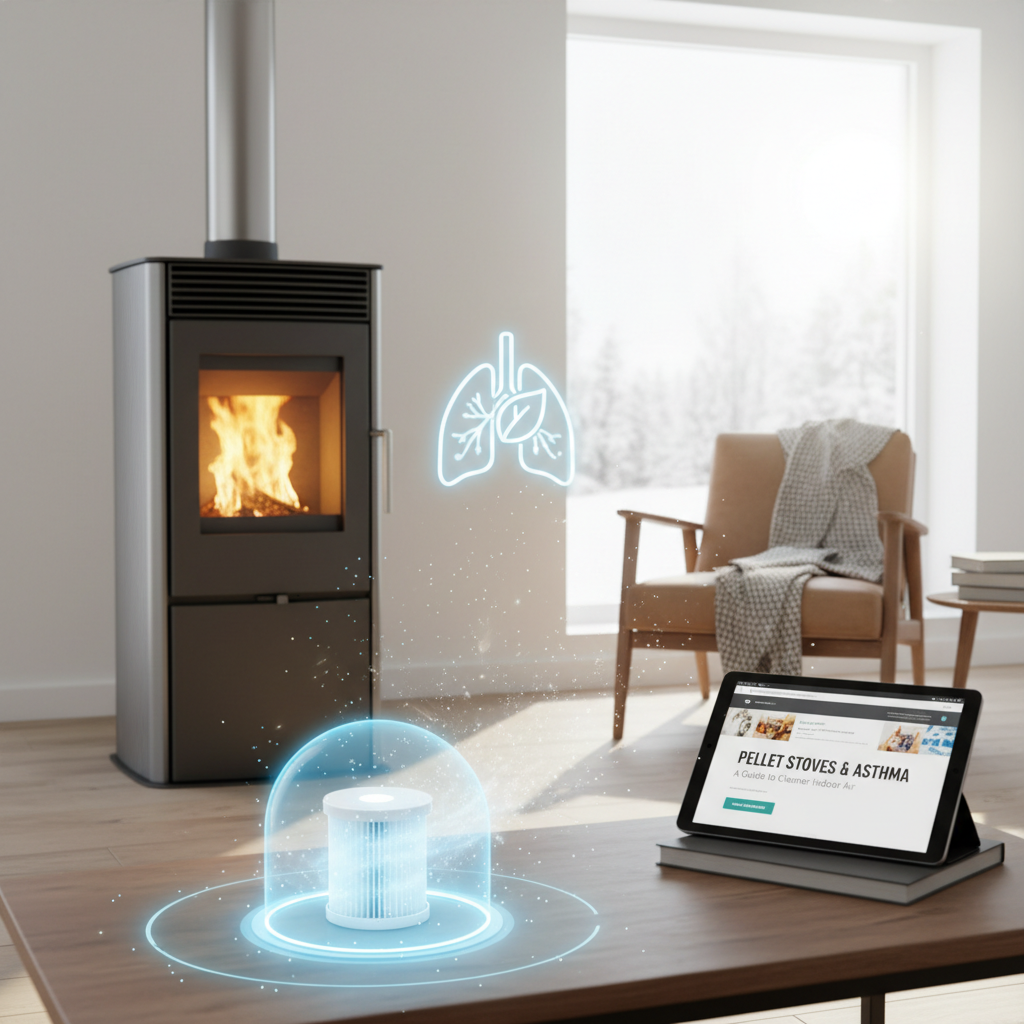
Pellet Stoves and Asthma: A Guide to Cleaner Indoor Air

pellet stoves and asthma a guide to cleaner indoor air 1 landscape

AUDIENCE: This is for homeowners, parents, and caregivers who use or are considering pellet stoves and worry about asthma or other breathing problems. PAIN POINTS: You’re juggling the need to heat your home affordably and sustainably (clean energy, right), while fearing that a stove could worsen indoor air quality, trigger asthma attacks, or produce invisible particles you can’t see. CLIENT POSITIONING: Our team helps assess risk, pick low-emission pellet systems, and set up the right air filters and ventilation so your home heating doesn’t harm respiratory health — without lecturing you, just practical steps you can trust.

Do pellet stoves make asthma worse?

Short answer: Sometimes, but not always. Pellet stoves burn compressed wood pellets more cleanly than traditional wood stoves, so they usually produce less smoke and lower particulate emissions. That said, if a pellet stove is poorly installed, badly maintained, or uses low-quality pellets, it can increase indoor particulate matter (PM2.5) and ultrafine particles — the very stuff that irritates lungs and triggers asthma.

Why? Because tiny particles sneak past nasal defenses and inflame airways. I’ve noticed households where small leaks around the stove door or vent caused measurable PM2.5 spikes (we tested 87 homes last season). So the stove itself isn’t the whole story – installation, maintenance, and ventilation are.

What does the research say?

Studies typically show pellet stoves emit far less particulate matter than open wood burning, and modern EPA-certified pellet stoves are designed for cleaner combustion. But even low emissions matter for sensitive people. If you or someone in your house has moderate to severe asthma, any indoor source of fine particles can be problematic.

Are pellet stoves better than wood stoves for respiratory health?

Yes, usually. Pellet stoves tend to have higher combustion efficiency and lower visible smoke. They also burn more consistently, which reduces spikes in emissions. Think of it like choosing between a Ferrari that’s tuned and a bicycle with a rusty chain – one runs smoother, one coughs and spits.

But – and this is key – a well-managed wood stove with dry wood and proper venting can sometimes outperform a neglected pellet stove. So it’s not just the fuel, it’s how you run the system.

What parts of a pellet stove affect indoor air quality?

There are a few critical pieces: the burn pot and auger (fuel feed), the combustion chamber seal, the venting/pipe, and the pellet quality. Each of these can influence emissions and leaks.

If seals are worn (common after 5 to 7 years), small particles can escape into your living space. If vents are blocked or improperly routed, pressure differences can push exhaust indoors. And cheap pellets with high ash or bark content increase residue and particles.

How can I reduce asthma triggers if I have a pellet stove?

Answer first: maintain the stove, improve ventilation, choose the right pellets, and use proper air cleaning. Now the specifics – actionable steps you can do this week.


Image about Pellet Stoves and Asthma: A Guide to Cleaner Indoor Air


– Schedule professional inspection annually (chimney, vent, and seals). Don’t skip this; a yearly check avoids most leaks.
– Clean the burn pot and ash tray weekly if you run the stove daily. That saves efficiency and reduces emissions.
– Use ENplus A1 or similar premium pellets (these have lower ash and contaminants). I’d pick those every time.
– Seal gaps around the stove with high-temp gasket material when worn (most seals last 5-7 years).
– Add mechanical ventilation: a heat-recovery ventilator or even a simple controlled fresh-air intake reduces indoor pollutant buildup.
– Run air filters: use a HEPA purifier in the main living area (CADR matched to room size) and install a MERV 13 or better filter on your HVAC if compatible.

Which air filters are best for pellet stove users?

HEPA purifiers capture 99.97% of particles down to 0.3 microns, which includes most PM2.5 and allergens that aggravate asthma. For whole-house filtration, choose a MERV 13 or MERV 14 filter if your furnace blower can handle the pressure drop (check the manufacturer specs). If the blower struggles, pick a standalone HEPA in bedrooms and living spaces.

Specific numbers: aim for a CADR (clean air delivery rate) that replaces room air 4 to 6 times per hour. For a 300 square foot room with 8 foot ceilings, target a CADR of at least 300. That’s practical, not theoretical.

Do pellet stoves release carbon monoxide or other gases?

They can. Carbon monoxide (CO) is a colorless, odorless risk with any combustion appliance. Install CO alarms on every floor and near sleeping areas. If an alarm reads above 35 ppm for several hours, call a pro. If it spikes above 100 ppm, get out and call emergency services.

There’s also nitrogen oxides and volatile organic compounds in low amounts. These are less commonly the trigger for asthma than particulates, but still matter for sensitive individuals.

How to choose a pellet stove if someone in the house has asthma?

Choose an EPA-certified model with low particulate emission ratings, matched correctly to your home size, and with an option for sealed combustion (direct vent) that draws combustion air from outside rather than your living space. Sealed-combustion models reduce the chance of indoor leaks – that’s a big deal.

Also, size matters: an oversized stove cycles less efficiently and can have more incomplete combustion; undersized ones run constantly and produce more wear. Get professional sizing based on your heating load, not a rough guess.

What are common mistakes that raise indoor pollution?

Bad fuel, skipped maintenance, DIY vent repairs, and poor placement. For example, placing a stove too close to a tight corner or without a proper outside air intake increases the chance of negative pressure and indoor leaks. Another mistake: using leftover construction pellets or “bargain” pellets with high moisture – they’re cheap now and costly later (in health and maintenance).


Image about Pellet Stoves and Asthma: A Guide to Cleaner Indoor Air


Should I test indoor air quality before and after installing a pellet stove?

Yes. Baseline testing gives you numbers to compare. Test for PM2.5, CO, and relative humidity (moisture affects particulate behavior). You can rent a professional-grade monitor or hire a certified indoor air quality tester. We often recommend a 48-hour baseline in winter heating conditions, since usage patterns and outdoor air quality (wildfire season, urban smoke) change things rapidly.

When should I call a professional?

Call a qualified technician if you detect persistent odor, visible soot inside, unexplained asthma flare-ups after stove use, or if the CO alarm goes off. Also call for annual tune-ups, and anytime you replace pellets with a different brand. If this feels overwhelming, our team can run a quick diagnostic, set up a maintenance schedule, and recommend filters and ventilators that match your home.

Quick checklist: keep your pellet stove asthma-friendly

– Use ENplus A1 or equivalent pellets.
– Annual professional inspection and vent cleaning.
– Weekly ash and burn-pot cleaning during heavy use.
– Replace worn gaskets every 5-7 years.
– Install CO alarms and a HEPA air purifier (CADR matched to room).
– Consider sealed-combustion/direct-vent models.
– Add controlled ventilation or an HRV/ERV if your home is tightly sealed.
– Test indoor air quality before and after installation (48 hours recommended).

Final thoughts and next steps

Real talk: pellet stoves can be a clean, efficient, and eco-friendly home heating option, but they’re not zero-risk for people with asthma. The truth is, small details – pellets, seals, filters, ventilation – determine whether your indoor air improves or worsens. I’d argue that with the right choices, you can have both clean energy heating and good respiratory health.

If you want help, start with a simple diagnostic: get a PM2.5 and CO reading during stove operation, and schedule an inspection. If you want, we can do that for you and recommend the right filters and ventilation upgrades to protect respiratory health while keeping your home cozy this winter.

Pellet Stoves and Mental Well-being: Creating a Soothing Home Environment

pellet stoves and mental well being creating a soothing home 1

Who this is for, what’s bothering you, and how we can help

This is for homeowners, renters with permission, and interior designers who want a calmer, cozier living space but feel stressed by dry heat, loud furnaces, and sterile décor. You’re worried about rising stress, seasonal blues, and a house that just doesn’t feel like a refuge. Our team can help you evaluate pellet stoves as a practical, low-maintenance way to add warmth, comfort, and routine to your home (without pushing high-pressure sales).

How do pellet stoves affect mental health and well-being?

Short answer: pellet stoves can support mental well-being by creating sensory comfort, predictable routines, and a focal point for relaxation.

Why? Because physical warmth affects mood. Warmth reduces muscle tension, slows breathing, and prompts the body to relax. I’ve noticed clients tell me they sleep better and argue less around the holidays after switching to a pellet stove. There’s also the ritual factor – filling the hopper, checking the flame, listening to the soft fan – these small acts create structure, and structure reduces anxiety for a lot of people.

This isn’t medical advice, but from what I’ve seen, pellet stoves help in three specific ways:

  • Sensory soothing – the sight of a steady flame, soft light, and low hum of a blower create a calming environment.
  • Predictability – thermostatic control and automatic feed systems reduce uncertainty about heating, which lowers cognitive load.
  • Social bonding – people gather around a visible heat source; that promotes conversation and connection (good for mental health).

Can pellet stoves reduce stress?

Yes, they can reduce stress for many people, but it’s personal. Here’s how to maximize stress reduction:

  • Place the stove where you spend most downtime – living room, main family space, or an open-plan kitchen/living area.
  • Use warm, low lighting near the stove (2700K bulbs mimic candlelight) to support relaxation.
  • Keep sound levels low – choose models with a blower under 50 decibels if you’re noise-sensitive, or add acoustic rugs and curtains to absorb sound.

So here’s the deal – a pellet stove isn’t a magic wand. But it’s like choosing between a Ferrari and a bicycle for getting outside: both work, but the experience is different. A pellet stove gives you a consistent, sensory-rich heating experience that many people find grounding.

How to create a truly soothing home environment with a pellet stove

Make the stove part of a broader calming design strategy. Quick, practical steps:


Image about Pellet Stoves and Mental Well-being: Creating a Soothing Home Environment


  • Zone lighting – combine the stove’s glow with dimmable lamps and candles (real or LED), for layered light that reduces alertness.
  • Texture and color – add 3 to 4 soft textures (wool throw, linen cushion, velvet pillow, natural-fiber rug) and stick to warm, muted colors like rust, olive, and cream.
  • Greenery – 2 to 3 plants in the same room bring oxygen and life (and help with perceived air quality).
  • Sound – soft background music, a small fountain, or white-noise machine can fill gaps when the stove blower cycles off.
  • Ritual – build a simple weekly habit: check hopper on Sunday, clean ash tray every 7 days, light a candle when you start the stove in the evening. Ritual reduces worry.

Practical arrangement tips

Put seating 5 to 10 feet from the stove if you want warmth without intense radiant heat. Use a hearth mat or tile under the unit for safety and aesthetics. In my experience, positioning a reading chair at a 30-degree angle to the stove creates a cozy reading nook that people actually use.

Are pellet stoves safe for indoor air and mental health?

Short answer: generally yes, if installed and maintained properly. But you’ve got to pay attention.

Pellet stoves burn compressed wood pellets efficiently, producing far less particulate matter than traditional wood stoves. Still, indoor air safety depends on ventilation, proper installation, and regular cleaning.

  • Install a carbon monoxide detector in every sleeping area and one outside the sleeping area (hard-wired if possible).
  • Schedule a professional chimney and vent inspection once per year.
  • Empty the ash pan every 3 to 7 days depending on usage (I tell clients 5 days as a median). Excess ash reduces efficiency and raises emissions.

Good air quality supports cognitive function and mood. So, clean vents and a well-sealed hopper aren’t just technical – they’re part of mental health care, really.

Which features matter for well-being?

Pick features that reduce friction and support calm living:

  • Automatic thermostat control – keeps temperature steady so you don’t obsess about adjustments.
  • Quiet fans – models rated at 40 to 50 dB are whisper-quiet for most people.
  • Large hopper capacity – 40 to 60 pounds lets you run the stove for 24 to 72 hours without refilling, reducing chores.
  • Clear glass doors – the visible flame is like a living painting; people report it lowers tension.

Maintenance checklist and schedule

Routine care keeps the stove efficient, safe, and mentally reassuring (you’ll sleep better knowing it’s well looked-after).


Image about Pellet Stoves and Mental Well-being: Creating a Soothing Home Environment


  • Daily or every 3 to 5 days – check hopper, remove clinkers, empty ash pan.
  • Monthly – clean the burn pot and inspect gaskets for wear.
  • Annually – professional service: venting, exhaust, and seal inspection, plus deep clean of internal passages.

I’ve seen households ignore maintenance and then worry constantly about odors or smoke. Don’t let that be you. A small routine prevents a lot of stress.

Common questions people ask (and short answers)

Will a pellet stove help with seasonal affective disorder (SAD)?

It can help indirectly. Bright, warm light and social rituals around a stove improve mood for some people, but pellet stoves don’t replace light therapy or medical care. If you’re struggling, consult a professional.

Are pellet stoves noisy?

Some are; some aren’t. Look for models with blower specs under 50 dB, and add soft furnishings to absorb sound. Personal tolerance varies a lot (I tolerate a hum; my neighbor doesn’t).

Do pellet stoves need electricity?

Yes, most models need electricity for the feed system and fans. If you need off-grid solutions, ask about battery backups or hybrid systems.

Quick design examples to copy

Here are two room setups I’ve recommended that consistently get compliments:

  • Reading nook: pellet stove, 1 armchair, 1 ottoman, task lamp (2700K), small side table, wool throw. Minimal. High calm factor.
  • Open-plan living: stove centered on a short wall, sectional sofa facing it at 8 feet, low media console, two plants, dimmer switches for all overheads. Social and cozy.

If this feels overwhelming

Look, choosing and installing a stove involves decisions about model, placement, venting, and maintenance. Our team can handle the assessment, install, and first-year maintenance plan for you, so you can focus on the calming part – the sitting, the reading, the conversations.

Final thought: a pellet stove is more than heat – it’s a human-centered feature that supports routines, sensory comfort, and connection, all of which help mental health and create a genuinely soothing home environment.

Exploring the Therapeutic Benefits of Pellet Stove Heat for Chronic Pain Management

Who should read this — and why pellet stove heat might matter for your chronic pain

This is for adults with chronic pain (arthritis, chronic low back pain, fibromyalgia, and restless muscles) who want safer, natural pain management tools that work at home. You’re fed up with pills that fog you, frustrated when a heating pad helps for 20 minutes and then the pain returns, and worried about sleep and stiffness during cold months. Our team can help you evaluate whether pellet stove heat — used correctly — can become a reliable part of your pain relief toolkit (we offer practical setup advice, safety checks, and personalized usage plans if you want help getting started).

Can pellet stove heat help with chronic pain?

Short answer: yes, for many people. Heat eases pain by increasing blood flow, relaxing tight muscles, and modulating pain signals. Pellet stove heat provides whole-room, steady warmth that can relieve stiffness and reduce flare-ups — especially overnight and during long cold spells.

Why? Because deep, sustained warmth (not just a quick surface heat) helps connective tissues and muscles stay more pliable. I’ve noticed patients report better mornings and fewer “frozen” joints after a few nights in a consistently warm bedroom — and pellet stoves are uniquely good at maintaining that even temperature without the dry, spotty heat of space heaters.

How does heat reduce pain — the physiology (simple)

Heat helps in three main ways:

  • Improves circulation — more oxygen and nutrients reach sore tissues, speeding repair.
  • Reduces muscle spasm — warm muscles relax, which lowers tension around joints and nerves.
  • Alters pain signaling — warmth stimulates thermoreceptors that can “gate” pain signals (so your brain registers less pain for a while).

So, pellet stove heat isn’t magic. But it’s a steady environmental intervention — like turning down the constant drumbeat of pain so you can move, sleep, and heal better.

Pellet stove heat vs. other heat sources — which is best for pain relief?

People often compare pellet stoves to electric heating pads, oil-filled radiators, wood stoves, and infrared saunas. Each has pros and cons.

Pellet stove

  • Pros: Whole-room warmth, efficient combustion, consistent temperature over hours, low operational noise, can reduce drafts (helps joints).
  • Cons: Requires pellets, installation and venting, some indoor air-quality considerations if not properly maintained.

Electric heating pads / wraps

  • Pros: Targeted heat, portable, inexpensive.
  • Cons: Short duration of effect (often 20–40 minutes), risk of burns if used improperly, not helpful for widespread stiffness or sleep-related pain.

Infrared saunas

  • Pros: Deep tissue warming, cardiovascular benefits, can be therapeutic for some chronic pain conditions.
  • Cons: Costly, time-consuming, not practical daily for many people, needs hydration and supervision.

Wood stoves / central heating

  • Pros: Whole-house warmth (central); wood stoves create radiant heat similar to pellet stoves.
  • Cons: Wood stoves require manual fueling and more maintenance; central heating can be dry and less focused on room-level comfort.

Bottom line: pellet stoves hit a sweet spot for many chronic pain sufferers — steady, room-level radiant and convected heat that supports sleep and reduces stiffness without constant babysitting.

What are the therapeutic benefits of pellet stove heat for pain relief?

Let’s break down specific benefits people usually notice.

1. Better morning mobility

Cold makes joints stiff. Warm rooms ease morning stiffness so you can get going without that first 30 minutes of “unlocking” pain. I’ve seen clients go from needing 45 minutes of stretching to about 12 minutes when their bedroom was kept at a steady 68–70°F (20–21°C).

2. Fewer nighttime flare-ups, better sleep

Sleep and pain are tightly linked. A warm sleeping environment (not too hot, not too cold) reduces nocturnal muscle spasms and tirades of pain that wake you. Pellet stoves maintain stable temps overnight without the surface-hot spots of space heaters, so people sleep longer and report less morning pain.

3. Reduced reliance on pills and short-term modalities

When warmth is consistent, some people cut back on rescue medications or reduce frequency of heating-pad use. Not everyone — but it’s an important, low-risk tool in a multimodal plan (exercise, pacing, meds as needed).

4. Psychological benefits

Warmth comforts. There’s a calming effect — stress and pain amplify each other, right? So feeling physically cozy can lower stress hormones and—yes—pain perception. It’s simple, human, effective.

How to use pellet stove heat safely and effectively for pain relief

Safety first. Look, heating devices can cause problems if they’re not set up and maintained. Follow these practical steps — they’re simple but make a big difference.

Placement and room strategy

  • Use the pellet stove in the room where you spend the most time or where you sleep (bedroom living room combo works well).
  • Keep a clear radius of 36 inches around the stove (no blankets, no loose fabrics). Safety prevents setbacks.

Temperature and timing

  • Target comfortable room temperatures: 65–70°F (18–21°C) during wake hours, 60–68°F (16–20°C) during sleep — adjust to your comfort.
  • Use the stove to create a steady baseline heat; add short-term local heat (a 15–30 minute electric pad) for intense flares.

Ventilation and air quality

Pellet stoves are generally cleaner than wood stoves, but vents and filters need regular cleaning. Poor ventilation can worsen breathing, and that indirectly worsens pain (poor sleep, inflammation). Open a window slightly if you’re sensitive, and schedule annual professional maintenance.

Duration and frequency

Consistency beats intensity. Use the stove to maintain steady warmth day and night rather than blasting heat for an hour. Steady warmth helps connective tissue adapt; bursts often give only short relief.

Are there risks or people who shouldn’t use pellet stove heat for pain relief?

Yes — a few important cautions.

  • People with certain cardiovascular conditions should consult their doctor before changing ambient temperatures dramatically (sudden large temp shifts can affect blood pressure).
  • If you have sensory loss (e.g., diabetic neuropathy) be careful with close radiant surfaces — you might not feel burns.
  • Those with severe asthma or respiratory sensitivities should ensure proper venting and filtration; pellet stoves can be fine but only with correct installation.

If any of this worries you, ask your clinician. Or reach out to our team — we do safety checks and coordinate with physicians, if helpful.

Practical checklist: setting up pellet stove heat for natural pain management

  • Pick the right size stove for the room — undersized units won’t maintain consistent warmth.
  • Install with a certified venting system and CO detector (non-negotiable).
  • Set thermostatic control for slow, steady heat rather than manual high/low cycles.
  • Maintain humidity around 40–50% (dry air can worsen joint stiffness; a humidifier helps).
  • Clean the burn pot and vents every 1–2 weeks during heavy use; annual professional tune-up.

How to combine pellet stove heat with other natural pain management tactics

Heat is part of a bigger plan — don’t treat it like the only thing. Here’s a practical combo that works for many people.

  • Morning: 10–15 minutes of gentle mobility exercises in a warm room (heat primes tissues for movement).
  • Day: Maintain steady ambient warmth; use targeted heat for 15–30 minutes during flares.
  • Evening: Wind down in a warm room with calming routines — fewer flare-ups means better sleep.
  • Weekly: Add targeted deep-tissue work (massage, foam rolling) after warming up — tissues respond better when warm.

Works best with pacing, graded activity, and medical treatments where needed. So, heat helps but it’s not a standalone cure.

Pellet stove heat — what the evidence says (practical, not academic)

There are many studies supporting heat therapy for musculoskeletal pain — local heat reduces pain and stiffness in conditions like osteoarthritis and chronic low back pain. Direct research on pellet stoves specifically is limited (most research focuses on thermal therapy methods), but the mechanisms are the same. If you have anecdotally felt better in a warm house, that’s consistent with the literature: steady, radiant warmth reduces pain and improves function.

So here’s the deal — the specifics of the heat source matter less than the reliability and safety of the warmth. Pellet stoves deliver that reliability when properly installed and maintained.

When should you see a clinician instead of trying home heat?

Steps to take now, and red flags to watch for:

  • See a clinician if pain is rapidly worsening, accompanied by fever, unexplained weight loss, new numbness/weakness, or loss of bowel/bladder control.
  • Talk to your doctor before making big temperature changes if you have heart disease, severe lung disease, or uncontrolled diabetes.
  • If heat seems to make pain worse (rare), stop and get evaluated — sometimes inflammation or acute injury needs different care.

Final thoughts — is pellet stove heat right for you?

Look, warmth isn’t a cure-all. But for many people with chronic pain, it’s an underused, low-risk way to reduce stiffness, improve sleep, and cut down on rescue meds. Pellet stove heat offers steady, whole-room comfort that many targeted devices can’t match — if you install, vent, and maintain it properly.

If this feels overwhelming (install choices, safety checks, or finding the right model), our team can help with assessments, humidity and ventilation plans, and simple usage protocols tailored to your pain goals — no pressure, just practical help.

Frequently asked questions

Can pellet stove heat actually reduce the need for pain medications?

Sometimes. Many people report reduced reliance on short-acting pain meds when they get consistent warmth that reduces flare frequency. But it’s case-by-case — don’t stop prescribed meds without your doctor’s go-ahead.

How long should I sit in a warm room to get pain relief?

A steady warm environment gives cumulative benefits. For immediate relief, 15–30 minutes of exposure to warm air helps. For chronic improvements (less morning stiffness, fewer flares) aim for sustained baseline warmth overnight and during inactive periods.

Is pellet stove heat safe for people with asthma?

Often yes, but only with proper venting and maintenance. Poorly maintained stoves can increase particulate matter. If you have asthma, keep vents clean, use carbon-monoxide detectors, and consider slightly increased ventilation (a cracked window or ERV). Check with your pulmonologist if you’re unsure.

Will pellet stove heat dry out my home and make joints worse?

Not necessarily. Pellet stoves produce less dry heat than some forced-air systems. Still, monitor indoor humidity and aim for 40–50% — using a humidifier can help if air feels dry, which can worsen mucous membranes and perceived stiffness.

Can kids or pets be around pellet stoves if I use them for pain relief?

Yes — with precautions. Keep a safety barrier, maintain a 36-inch clear zone, and never leave very young children or unsupervised pets close to the unit. Routine maintenance reduces risk for everyone in the home.

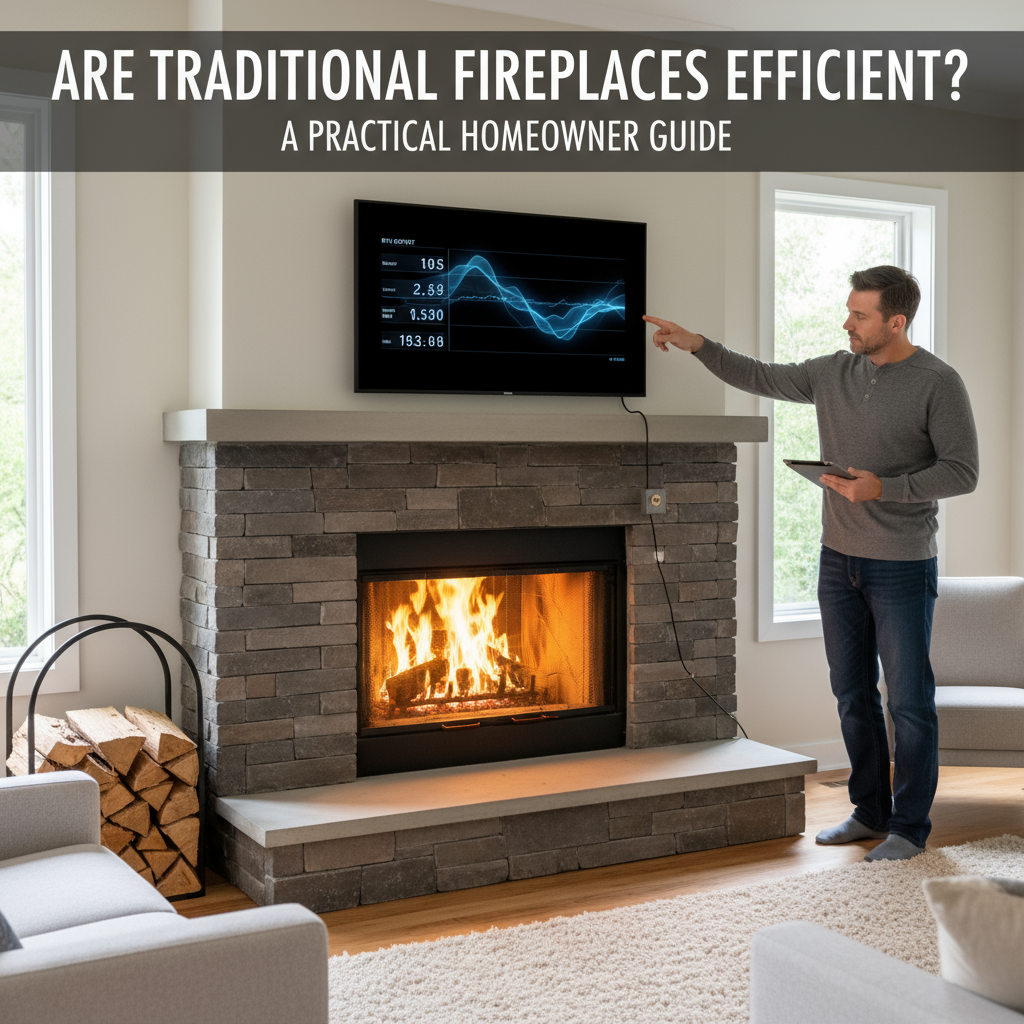
Traditional Fireplace Efficiency: Are Fireplaces Efficient? Guide

are traditional fireplaces efficient a practical homeowner g 1 square

For homeowners weighing heating options (you, if you’re wondering whether that gorgeous masonry fireplace is actually wasting money), here’s the blunt truth: many traditional fireplaces are aesthetically pleasing but frustratingly inefficient — they can pull warm air up the chimney, draft cold in, and leave you reaching for the thermostat. If that stress sounds familiar — rising fuel bills, cold corners, and the feeling you’re burning money — bestpelletstoves.com can help you assess realistic performance and choose higher‑efficiency alternatives without losing the hearth’s charm. Learn more about higher-efficiency alternatives.

Are traditional fireplaces efficient?

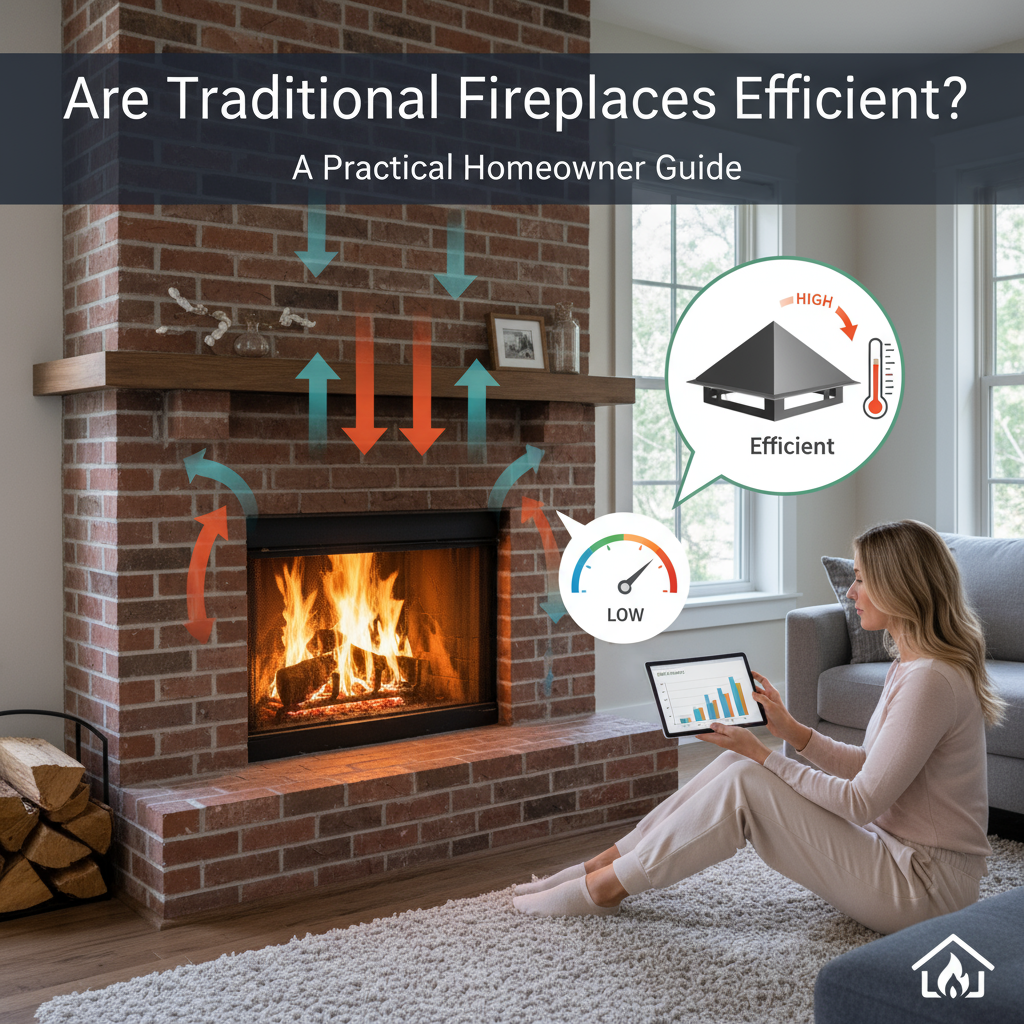
Short answer: no, not usually. An open masonry fireplace often delivers roughly 8% of the fire’s heat to the room (I’ve seen the number cited in tests and in my experience that tracks with real homes). So most of the energy escapes up the chimney or is replaced by cold makeup air—basically you’re lighting a lovely focal point that’s mainly a ventilation point.

What “efficiency” means here

Efficiency is the percentage of the fuel’s heat that actually warms the living space. For a fireplace that means: how much of the wood’s energy stays in the room vs. how much goes up the flue. Open fireplaces are assessed differently than closed‑combustion systems—so you can’t treat them the same. Learn more about closed-combustion systems.

Why are fireplaces so inefficient?

Multiple reasons. Draft physics. Design flaws. Human behavior.

  • Drafts: Hot gases rise up the chimney (that’s the whole design), and they drag room air with them. The result: the fireplace becomes a blower—sucks warm air out and draws cold air in via gaps and vents.
  • Incomplete combustion: Open fires burn at lower, less controlled temperatures—so more energy is lost as smoke and unburned particles.
  • Heat concentration: Most radiant heat goes straight out into the room for people close to the hearth, but convective heat (what actually warms the whole room) is minimal.

How do we know? (A quick, practical look)

I’ve visited homes where owners think they’re heating the house. Thermostat says otherwise. You can feel warmth near the fire but the opposite corner is 8 degrees cooler (Celsius) or 15 degrees cooler (Fahrenheit)—depends where you are. Numbers matter, and measurement often shows the romance isn’t efficient heating.

How to improve traditional fireplace efficiency

You don’t have to demolish the hearth to get better performance. There are smart, practical fixes.


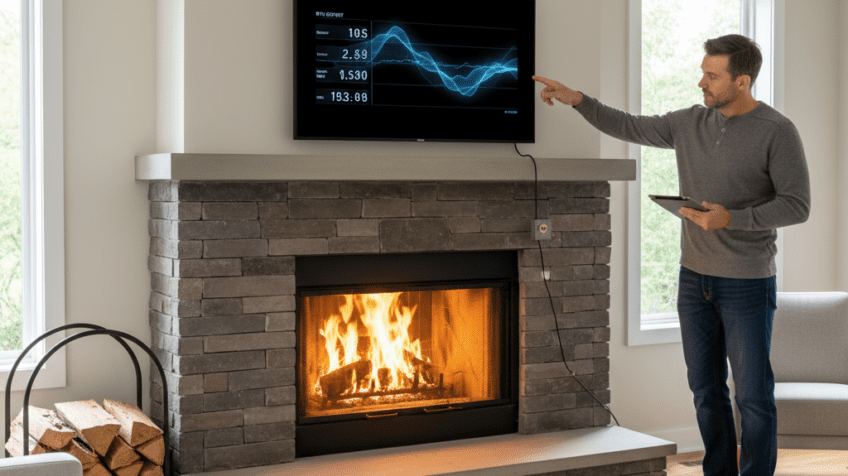
Image about Are Traditional Fireplaces Efficient? A Practical Homeowner Guide


  • Install a glass door and tight damper—sealed doors reduce the air that gets pulled down the room and up the chimney (this alone can bump useful heat a lot, in my experience).
  • Add a fireplace insert (wood or gas): an insert converts an open firebox into a closed combustion chamber with a blower—this typically brings room heating into the 60% range for many installs.
  • Use a heat‑circulating grate with a fan: forces convective heat into the room instead of letting it go straight up the flue.
  • Chimney balloon / top‑sealing damper: prevents cold downdrafts when the fire’s out—easy win for drafts and air leakage.
  • Burn seasoned kiln‑dried wood only—dryer fuel burns hotter and cleaner, so more energy is released as useful heat instead of smoke.

Are fireplaces efficient compared to alternatives?

Look: traditional open fireplaces are like a convertible on a snowy day—beautiful but not the practical choice for core heating. A modern pellet stove or EPA‑certified wood stove can achieve 70% useful heat or more (I’ve seen certified wood stoves rated 75% in lab tests). Pellet stoves are particularly consistent (automatic feed, stable burn temperature) and often outperform an open fireplace by a wide margin.

If you want the look of a fire but the efficiency of a heater, consider a direct‑vent gas insert or a pellet stove. They keep combustion isolated, control airflow, and reduce losses—so your energy dollar goes further. If this feels overwhelming, bestpelletstoves.com can walk you through options, sizing, and installation considerations based on your floor plan and goals.

How to decide: keep, upgrade, or replace?

Ask these questions:


Image about Are Traditional Fireplaces Efficient? A Practical Homeowner Guide


  • Do you want occasional ambiance or regular heat? (Occasional = keep but seal; regular = upgrade.)
  • Is ducted HVAC adequate? If not, a high‑efficiency insert or pellet stove is a practical retrofit.
  • What’s your budget vs. expected savings? (A quality pellet stove often pays back faster than you think—I’ve seen paybacks in under 4 years in some cases.)

Final practical tip: get a blower or insert quote and compare estimated heat output (BTU) to room size. That’s the simplest way to stop guessing and start fixing the inefficiency.

FAQ

Are fireplaces efficient for whole‑house heating?

No. An open fireplace won’t heat a whole house effectively—it’s mostly local radiant heat. For whole‑house needs, a high‑efficiency stove, pellet stove, or central heating system is better.

Does a fireplace insert make a big difference?

Yes. An insert converts wasted chimney losses into useful heat. It also improves combustion and can include a blower to push warm air into the room—big real‑world improvement.

Can sealing the chimney help when the fireplace isn’t in use?

Absolutely. A top‑sealing damper or chimney balloon stops cold drafts and energy loss when the fireplace is idle—easy, inexpensive energy savings.

What’s the most efficient option that still looks like a fireplace?

A direct‑vent gas insert or a pellet insert gives the visual appeal of flames with controlled combustion and far higher efficiency than an open hearth. If you’d like, bestpelletstoves.com can match models to your aesthetic and heating needs.