Pellet stoves and stress reduction: a simple solution for busy homeowners who want a calmer, cozier home
If you’re someone juggling work, family, and the constant hum of notifications, you probably feel like your home should be a refuge but often isn’t; the frustration of a cold, noisy, or unpredictable heating system only adds to that stress. We help by fitting and tuning pellet stoves that deliver steady warmth, low-maintenance operation, and a soothing focal point so your living room actually feels like a place to relax again. The result is better home comfort, less heating anxiety, and more time to breathe.
Can pellet stoves actually reduce stress?
Yes. Quiet, reliable heat and a gentle visible flame create sensory cues that tell your body it’s safe, and that matters for stress reduction. Warmth lowers muscle tension, a steady ambient sound (like a low fan) provides predictable white noise that helps the brain downshift, and the ritual of lighting or setting a stove creates structure in an otherwise hectic day. From what I’ve seen, people report feeling calmer 10 to 20 minutes after settling in front of a pellet stove — real, measurable relief, not just vibes.
How do pellet stoves promote relaxation and home comfort?
Pellet stoves combine radiant and convective heat, so they warm skin and the room evenly rather than blasting hot air in bursts. That evenness is calming for your body – less startle, less sudden overheating. The visible flame plays the same role as candles or fireplaces: it draws attention, encourages slow breathing, and invites quiet activity like reading or journaling. And because modern pellet stoves feed pellets automatically, you avoid the constant tending that wood stoves need (which, frankly, costs an arm and a leg in time for some households).
What should I look for when choosing a pellet stove for relaxation?
Pick a stove that emphasizes quiet operation and easy controls. Look for models advertised with low decibel ratings (under 55 dB is a good target) and programmable thermostats or smart-home compatibility so it runs to a schedule, not your anxiety. Choose a unit with a clear viewing window and adjustable flame intensity (you want a gentle glow, not a show). Size matters too: get a stove sized for your living area so it runs efficiently on low settings rather than cycling on and off all night.
How do I set up a relaxation-friendly pellet stove space?
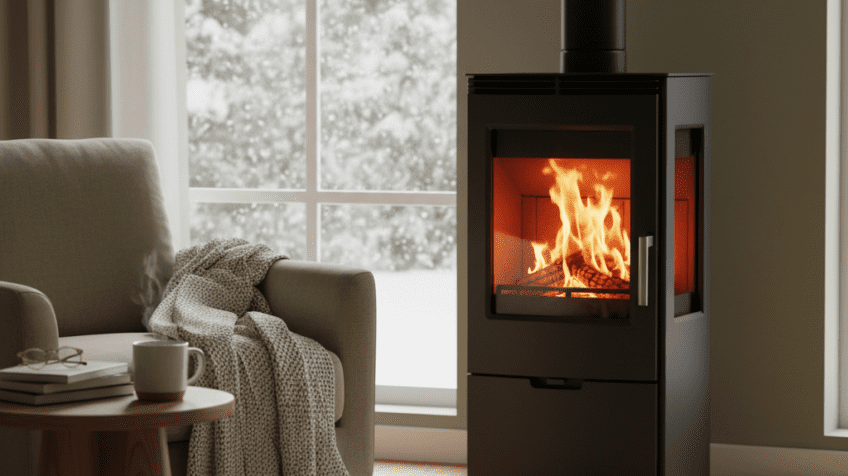
Start with placement: make the stove a focal point but leave 6 to 8 feet of comfortable viewing and radiating distance so the heat is noticeable but not overpowering. Create an easy wind-down corner with one comfortable chair, a small side table, a warm throw, and soft layered lighting (table lamp, dimmable overhead). Set the stove fan to a low setting to produce just enough white noise for relaxation. Add a consistent nightly ritual — 10 minutes of deliberate breathing or reading with the stove on low — and your brain will start to associate that cue with calm.
Are pellet stoves safe for mental health and indoor air quality?
Short answer: yes, when installed and maintained correctly. Pellet stoves burn pellets very cleanly, producing less particulate matter than many older wood-burning appliances, but proper venting and routine cleaning are non-negotiable. Install a certified CO detector and a smoke alarm, schedule an annual professional inspection, and keep filters and the ash pan clean. There’s peace of mind in predictable maintenance — you don’t want worry creeping back in because you skipped a service.
What maintenance keeps a pellet stove stress-free?
Simple habits prevent most problems. Empty the ash pan once a week during heavy use, wipe the glass weekly to keep that calming view clear, and do a deeper clean every 3 months (clean burn pot, check gaskets, vacuum vents). Get a professional tune-up once a year. Follow these steps and you avoid surprise breakdowns, noise issues, or efficiency loss — all common triggers of household stress. This is important. Really important.
How can I use my pellet stove as part of a daily relaxation routine?
Make it predictable. Start with a 15-minute “power-down” before bed: dim lights, set the stove to low, sit with a cup of tea and breathe slowly. Use the stove as a timer for single-tasking — 20 minutes of reading, 30 minutes of creative work — the stove’s steady heat helps you focus and resist multitasking. And if you’re the type who worries about energy bills, program the stove to maintain a comfortable baseline temperature (62°F to 68°F works well for many people) so you stop obsessing over thermostat adjustments.
What about people with allergies or sensitivities?
Pellet stoves are often better than older wood stoves for people with allergies because pellets are a consistent, low-moisture fuel that burns cleaner. Still, keep up with filter changes and vent cleaning, and consider a HEPA air purifier in the room if someone has severe respiratory sensitivity. If anyone in your household has asthma or severe allergies, talk to a technician about models and venting strategies that minimize indoor particulate exposure.
Final thoughts
If you want to reduce stress by making your home feel more reliable, warm, and cozy, a pellet stove is a practical and emotionally smart choice. It’s the small rituals, the steady heat, and the low-maintenance operation that make the biggest difference. If the idea of choosing, installing, or maintaining one sounds like another chore, our team can handle the details so you get the calm without the hassle — and then you can actually enjoy the quiet. Now go make your living room a restful spot again; you deserve it.