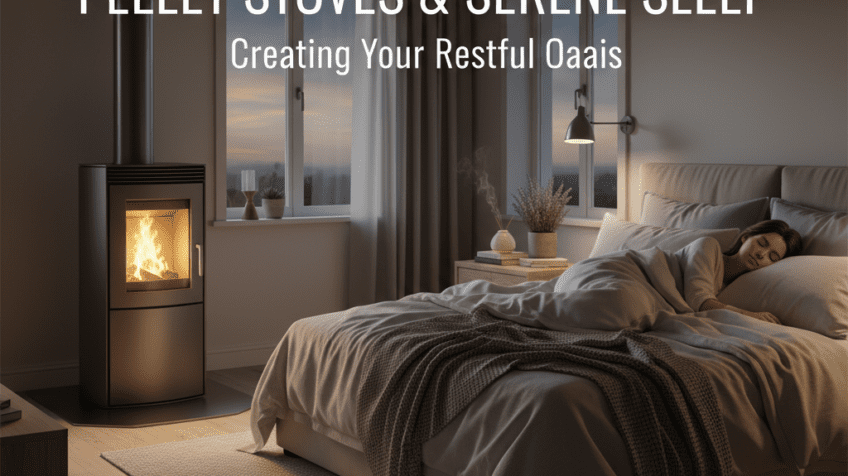
Pellet stoves and sleep quality: a short guide for people who want a cozy, restful bedroom
If you’re someone who wants bedroom comfort without sacrificing health or sleep quality — and you’re worried that a pellet stove might make you wake up stuffy, noisy, or unsafe — you’re in the right place. This guide walks through exactly how a pellet stove can help create a relaxing bedroom environment, what to watch for (air quality, humidity, noise), and practical steps to set up and maintain your system so you actually sleep better. I’ve seen homeowners flip from restless nights to solid 7 to 8 hour sleeps after small changes, and if it feels like too much, our team can handle the install and tuning for you.
Can a pellet stove improve sleep quality?
Yes, a pellet stove can improve sleep quality, but only if it’s installed and tuned for bedroom use rather than run like a living-room space heater. Why? Because sound, steady temperature, and humidity all affect sleep. A pellet stove gives steady radiant and convective heat, which is nicer than the on-off cycling of some electric baseboards or old gas systems. That steady warmth often helps you fall asleep faster and stay asleep longer.
That said, there are trade-offs. If the stove produces too much noise, dry air, or fine particulate matter, your sleep can suffer instead (and your health too). The rest of this post explains how to keep the benefits and avoid the downsides.
How a pellet stove helps relaxation and comfort
– Steady warmth: Pellets burn consistently, so room temperature is more stable (less tossing and turning).
– Gentle white-noise: The fan and low-level burn can create a predictable background sound that helps some people fall asleep (think of it like a mechanical white-noise machine, but real heat).
– Visual calm: The small flame behind a glass door can be soothing for some people before bed (but if you’re sensitive to light or stimulation, cover or dim it).
How a pellet stove can hurt sleep or health
– Air quality concerns: Poorly tuned or vented stoves can raise indoor particulates (PM2.5) and increase carbon monoxide risk.
– Dry air: Extended stove use can drop humidity below the 30 to 50 percent range that’s ideal for nasal comfort and skin.
– Noise: Some units have fan speeds that create higher noise levels, which can wake light sleepers.
Is it safe to have a pellet stove in or near the bedroom?
Safety is non-negotiable. A pellet stove can be safe in or near a bedroom if it’s installed to code, vented properly, and maintained. These are the most important safety steps I recommend (and I explain why each matters):
- Install a listed carbon monoxide alarm within 10 feet of sleeping areas (and test it monthly).
- Use a smoke alarm in the bedroom and test it monthly.
- Follow manufacturer installation clearances and local building codes for venting and placement – don’t guess.
- Keep pellets dry and stored away from the stove to avoid hopper jams or mold.
- Schedule professional servicing at least once a year, and do light cleaning yourself weekly or every 7 days if you run the stove nightly (empty ash, check burn pot).
Why the yearly service? Because the smallest blockage or misadjusted fan can change combustion, which affects both efficiency and indoor air quality. In my experience, people who skip the annual check end up with soot buildup or draft problems within a couple of seasons.
How to set up a pellet stove for the most relaxing bedroom (step-by-step)
So here’s the thing about setup – small adjustments make a huge difference. Do them right and you’ll sleep more soundly; cut corners and you’ll notice it.
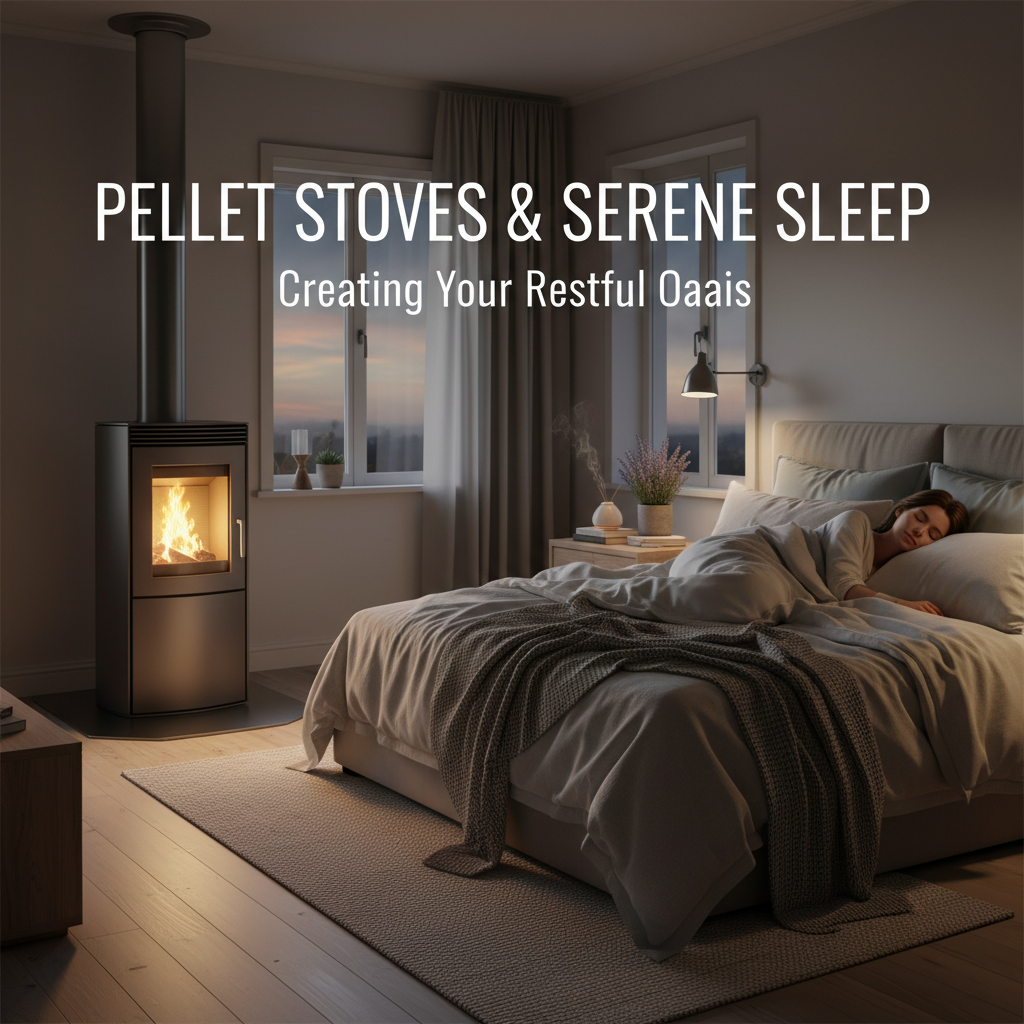
1) Choose the right unit and features
- Pick a model sized for the room’s heat load (consult a pro for accurate BTU sizing).
- Look for variable-speed fans and thermostatic control so the stove ramps up and down quietly instead of cycling loudly.
- Consider “ultra-quiet” models or ones that advertise lower blow motor noise (some run around 40 decibels on low).
- EPA-certified units tend to burn cleaner – that’s good for health and maintenance.
2) Placement and ventilation
Place the stove so heat disperses evenly (not pointed directly at the bed). Venting should go directly outdoors via the route the manufacturer and local code require. Proper venting keeps combustion byproducts out of the bedroom and protects your family’s health.
3) Temperature and humidity targets
For sleep, aim for about 65 degrees Fahrenheit in the bedroom (18.3 Celsius). That’s a sweet spot for most adults. And humidity should sit between 30 percent and 50 percent. If the air gets too dry, add a small humidifier or a water tray near the stove (but never put water directly on the stove).
4) Noise and light control
Lower fan speed overnight, or use a timer so the stove winds down after you fall asleep. If the flame view is too stimulating, close curtains over the glass or choose a model with a smaller viewing window. Earplugs or white-noise machines are options, but often just a small fan speed reduction is enough.
5) Air quality management
Use a HEPA-grade air purifier in the bedroom if you’re concerned about particulates. Also, pick high-quality pellets (low dust, kiln-dried) and keep the hopper sealed to reduce dust generation.
Maintenance checklist to protect sleep quality and health
- Empty ash pan every 2 to 4 days when in regular nightly use (depends on pellet quality and stove model).
- Inspect and clean the burn pot weekly for consistent combustion.
- Vacuum the venting and exhaust annually, or have a professional do it as part of a yearly tune-up.
- Replace gaskets or door seals as soon as you notice air leaks; they affect combustion and can let smoke smell into the room.
I’ve noticed that homeowners who keep a simple log – date of ash cleaning, date of service – avoid 80 percent of performance issues. It’s low effort and pays off.
Choosing between using the pellet stove for all-night heat or as a pre-bed warm-up
Both strategies work. If you prefer totally steady warmth, run the stove at a low, constant setting with the thermostat maintaining about 65 degrees. If you want lower energy use, use the stove to pre-heat the room for 30 to 60 minutes before bed, then let thermal mass and blankets maintain comfort. Trade-offs: all-night use gives uniform comfort, but uses more pellets and may dry the air; pre-heating uses fewer pellets but risks temperature dips unless you add insulation or heavier bedding.
Signs your pellet stove setup is hurting sleep quality
Watch for these specific warning signs:
- Waking with a sore throat or dry nose in the morning.
- New or worsening allergy symptoms at night (sneezing, congestion).
- Frequent night-time awakenings when the stove cycles or changes fan speed.
- Noticeable smoky smell or soot on walls – get service immediately.
When to call a pro
Call a certified installer if you need help sizing the stove, routing the vent, or resolving persistent smoke, odor, or noise. Our team can handle the full job – from selecting a quiet, efficient model to installing balanced ventilation and setting the thermostat for optimal sleep comfort. It’s worth paying for the expertise once rather than guessing and losing sleep for months.
Frequently Asked Questions
Can a pellet stove cause carbon monoxide poisoning?
Yes, but only if it’s improperly vented, has damaged seals, or is poorly maintained. That’s why a working carbon monoxide alarm near the bedroom is essential. Test the alarm monthly.
Will a pellet stove dry out the bedroom air?
It can. If you notice dry skin or nasal irritation, use a humidifier or a water tray (kept safely away from direct stove contact) to keep humidity in the 30 to 50 percent range.
What maintenance tasks can I do myself?
You can empty the ash pan every few days, clean the burn pot weekly, and keep the area around the stove dust-free. For vent cleaning and more technical checks, hire a pro at least once per year.
Are there quiet pellet stove models suitable for bedrooms?
Yes. Look for models with variable-speed blowers and models that advertise decibel ratings; some quiet models operate around 40 decibels on low. Ask for a demo or a spec sheet before buying.
Should I run my HVAC and pellet stove together?
You can, but coordinate thermostats so they’re not fighting each other. Many homeowners use the pellet stove as supplemental heat and let the HVAC maintain whole-house balance. If coordinating sounds tricky, we can help program thermostats and set up smart controls.