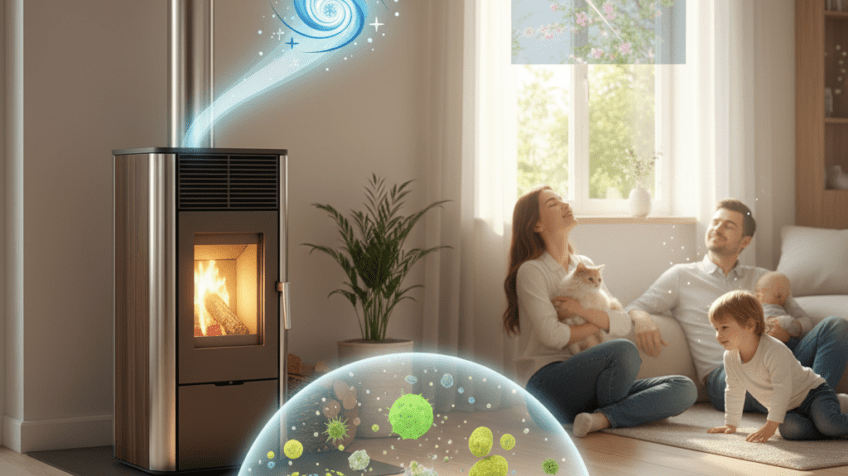
For homeowners and renters who suffer from seasonal sneezing, itchy eyes, or pet-triggered coughing: you’re juggling itchy sinuses, dusty pellets, and the fear that your wood stove is making things worse. This guide explains how pellet stoves interact with allergies and indoor air quality, and how our team can help you set up, maintain, and optimize a pellet stove so it supports a healthy home without turning your living room into a dust bowl.
Do pellet stoves help with allergies?
Short answer: sometimes. Pellet stoves burn compressed wood pellets in a controlled combustion chamber, which produces far less airborne particulate matter than open wood fires. That means less smoke and fewer fine particles that aggravate environmental allergies, pet allergies, and asthma. But there’s a catch – the stove’s hopper and pellet handling can create dust, and the stove’s blower circulates indoor air, so poor maintenance can actually worsen symptoms.
Can pellet stoves improve indoor air quality during allergy season?
Yes, they can help, especially in cold months when you’d otherwise open windows and invite pollen and outdoor allergens inside. A well-sealed pellet stove with proper venting reduces the need to air out the house, which often brings in dander and pollen. From what I’ve seen, homes that combine a sealed-combustion pellet stove with a HEPA air purifier and a clean HVAC filter show noticeable reductions in visible dust and allergy flare-ups.
How do pellet stoves compare to other heating options for allergy sufferers?
Compared to wood stoves, pellet stoves are cleaner-burning and create less visible smoke and creosote. Compared to gas furnaces, pellet stoves can be comparable, but gas systems rarely circulate pellet dust from loading. And electric baseboard heat? Quiet, but it doesn’t address background allergens. So, it’s like choosing between a Ferrari and a bicycle – you pick the tool that matches your needs: heat efficiency, indoor air quality, and maintenance willingness.
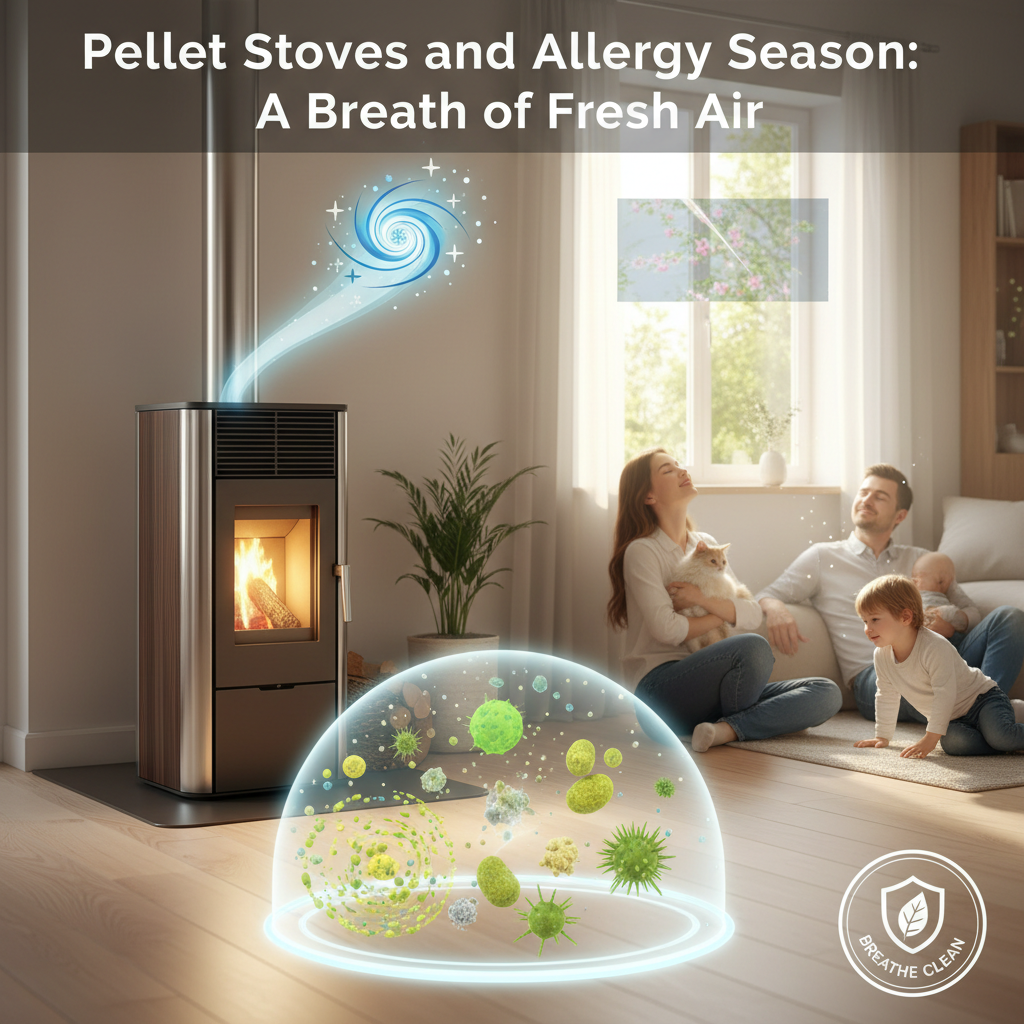
How to use pellet stoves safely to minimize allergens
1. Choose a sealed-combustion model – these draw combustion air from outside, not your living space, which reduces backflow of particulates. I always recommend this first.
2. Store pellets in a sealed bin outside or in a dry closet – pellets bring dust and mold if they get damp, and that dust lands on furniture fast.
3. Clean the hopper and ash pan weekly if you run the stove daily – simple, quick, and makes a huge difference in airborne dust.
4. Vacuum around the stove with a HEPA-equipped vacuum at least once a week – this cuts settled dander and pellet dust that would otherwise become airborne.
5. Replace or upgrade your home filters – use a MERV 13 or HEPA filter in the HVAC system and consider a portable HEPA air purifier for bedrooms.
6. Schedule annual professional service – a tune-up ensures seals, gaskets, and exhaust pathways are functioning, and that prevents leaks that could worsen indoor air quality.
Signs your pellet stove might be worsening allergies
Look for increased sneezing or coughing immediately after you load pellets, or more throat irritation when the stove fan comes on. You’ll also notice visible dust around the hopper, black soot on nearby walls, or a persistent ash smell. And yes, elevated indoor particulate counts measured with a small particle monitor (PM2.5) are a clear red flag.
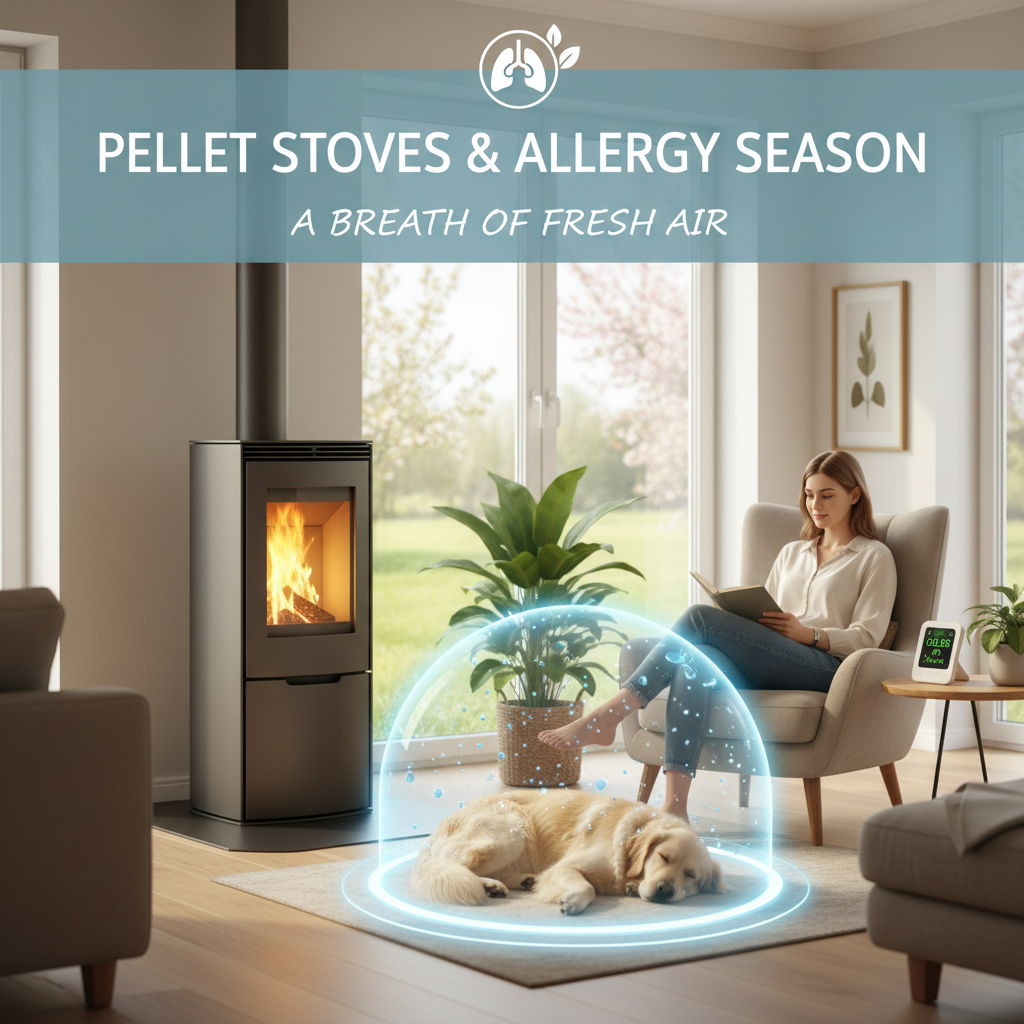
Ways to combine pellet stoves with air purification
Don’t expect a pellet stove to clean your air – treat it as the heat source, not the purifier. Pair the stove with a dedicated HEPA air purifier in living spaces and MERV 13 filters in your HVAC. Now, here’s the trick – run the purifier on a higher setting during peak pollen times and right after you load pellets. It helps capture that transient dust spike before it settles on everything.
Maintenance checklist for allergy-conscious owners
1. Clean hopper and burn pot weekly. 2. Empty ash pan every 3-7 days depending on usage. 3. Inspect seals and gaskets annually. 4. Sweep or vacuum the stove perimeter with HEPA once a week. 5. Store pellets in airtight containers. These five things remove most of the allergy risk – seriously.
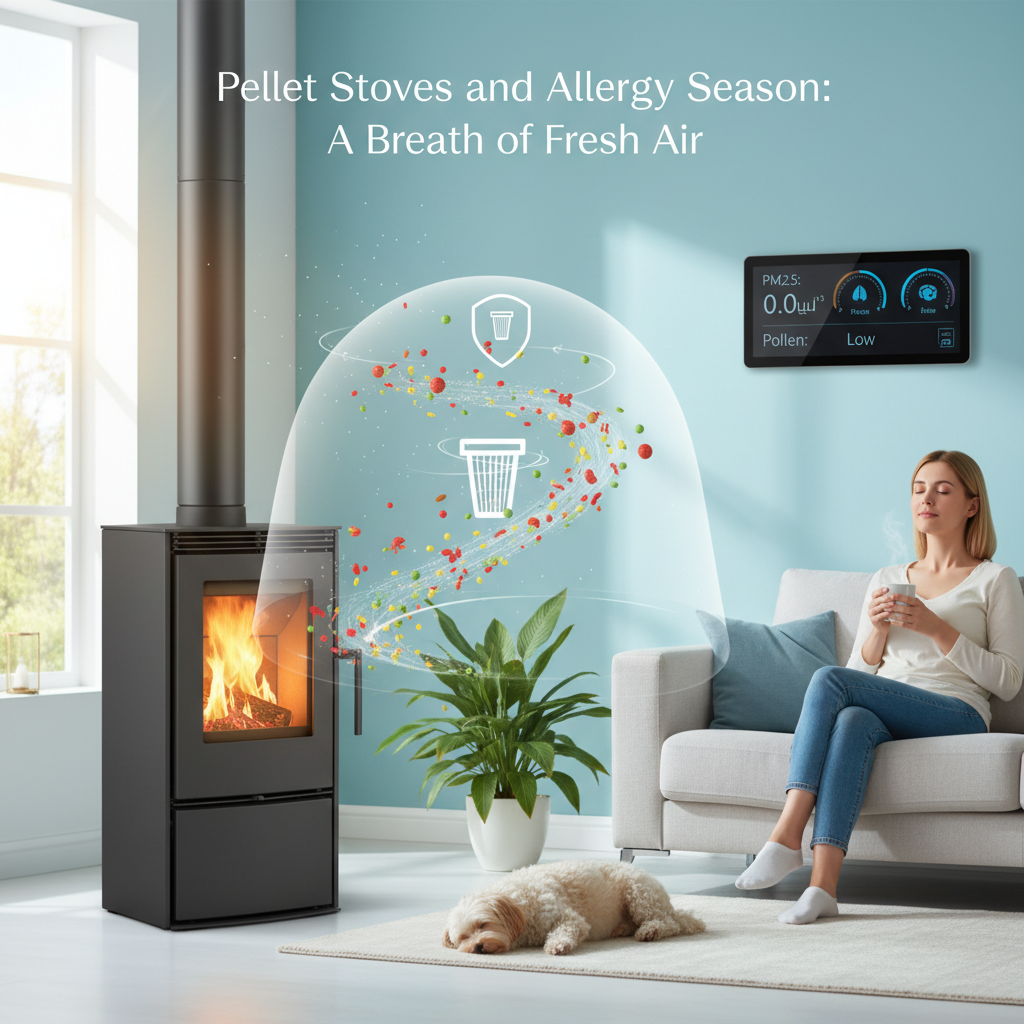
Frequently Asked Questions
Are pellet stoves better for allergies than wood stoves?
Yes, generally. Pellet stoves burn more completely and emit fewer particulates than open wood fires. That reduces smoke intrusion and resin buildup, both of which can worsen environmental allergies.
Do pellet stoves create dust inside the house?
They can, mostly during pellet handling and if the hopper or ash removal isn’t kept clean. The fan that pushes warm air into the room can also stir settled dust. Regular cleaning and sealed storage cut this risk dramatically.
Can I run a pellet stove if I have pets?
Absolutely, but you should be diligent. Pets shed dander that adds to the particulate load. Keep pet sleeping areas away from the stove, vacuum with a HEPA filter, and maintain the stove more often than you would in a pet-free home.
Do pellet stoves need air filters?
The stove itself typically doesn’t have a HEPA filter – it uses a combustion air system and may have small intake screens. For whole-home air quality you need external filtration – HVAC filters rated MERV 13 or a dedicated HEPA purifier.
So here’s the deal – pellet stoves can be a breath of fresh air during allergy season, literally. They reduce smoke and can cut the need to open windows, but they aren’t a standalone solution for allergies. If this feels overwhelming, our certified technicians can inspect your current setup, recommend a sealed-combustion upgrade, and run a 3-step cleanup and filter plan to optimize indoor air quality for you and your family.