Who this is for, what’s bothering you, and how we can help
This is for homeowners, renters with permission, and interior designers who want a calmer, cozier living space but feel stressed by dry heat, loud furnaces, and sterile décor. You’re worried about rising stress, seasonal blues, and a house that just doesn’t feel like a refuge. Our team can help you evaluate pellet stoves as a practical, low-maintenance way to add warmth, comfort, and routine to your home (without pushing high-pressure sales).
How do pellet stoves affect mental health and well-being?
Short answer: pellet stoves can support mental well-being by creating sensory comfort, predictable routines, and a focal point for relaxation.
Why? Because physical warmth affects mood. Warmth reduces muscle tension, slows breathing, and prompts the body to relax. I’ve noticed clients tell me they sleep better and argue less around the holidays after switching to a pellet stove. There’s also the ritual factor – filling the hopper, checking the flame, listening to the soft fan – these small acts create structure, and structure reduces anxiety for a lot of people.
This isn’t medical advice, but from what I’ve seen, pellet stoves help in three specific ways:
- Sensory soothing – the sight of a steady flame, soft light, and low hum of a blower create a calming environment.
- Predictability – thermostatic control and automatic feed systems reduce uncertainty about heating, which lowers cognitive load.
- Social bonding – people gather around a visible heat source; that promotes conversation and connection (good for mental health).
Can pellet stoves reduce stress?
Yes, they can reduce stress for many people, but it’s personal. Here’s how to maximize stress reduction:
- Place the stove where you spend most downtime – living room, main family space, or an open-plan kitchen/living area.
- Use warm, low lighting near the stove (2700K bulbs mimic candlelight) to support relaxation.
- Keep sound levels low – choose models with a blower under 50 decibels if you’re noise-sensitive, or add acoustic rugs and curtains to absorb sound.
So here’s the deal – a pellet stove isn’t a magic wand. But it’s like choosing between a Ferrari and a bicycle for getting outside: both work, but the experience is different. A pellet stove gives you a consistent, sensory-rich heating experience that many people find grounding.
How to create a truly soothing home environment with a pellet stove
Make the stove part of a broader calming design strategy. Quick, practical steps:
- Zone lighting – combine the stove’s glow with dimmable lamps and candles (real or LED), for layered light that reduces alertness.
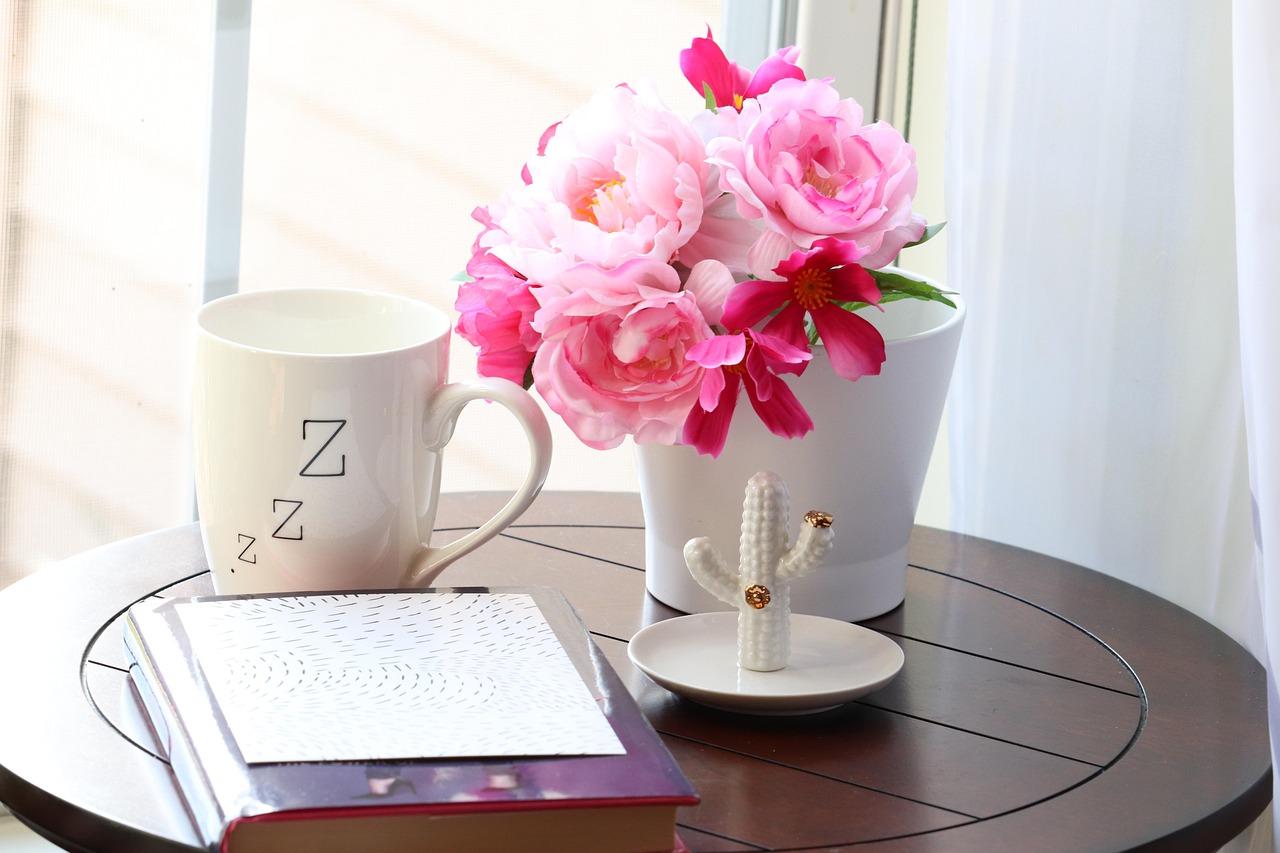
- Texture and color – add 3 to 4 soft textures (wool throw, linen cushion, velvet pillow, natural-fiber rug) and stick to warm, muted colors like rust, olive, and cream.
- Greenery – 2 to 3 plants in the same room bring oxygen and life (and help with perceived air quality).
- Sound – soft background music, a small fountain, or white-noise machine can fill gaps when the stove blower cycles off.
- Ritual – build a simple weekly habit: check hopper on Sunday, clean ash tray every 7 days, light a candle when you start the stove in the evening. Ritual reduces worry.
Practical arrangement tips
Put seating 5 to 10 feet from the stove if you want warmth without intense radiant heat. Use a hearth mat or tile under the unit for safety and aesthetics. In my experience, positioning a reading chair at a 30-degree angle to the stove creates a cozy reading nook that people actually use.
Are pellet stoves safe for indoor air and mental health?
Short answer: generally yes, if installed and maintained properly. But you’ve got to pay attention.
Pellet stoves burn compressed wood pellets efficiently, producing far less particulate matter than traditional wood stoves. Still, indoor air safety depends on ventilation, proper installation, and regular cleaning.
- Install a carbon monoxide detector in every sleeping area and one outside the sleeping area (hard-wired if possible).
- Schedule a professional chimney and vent inspection once per year.
- Empty the ash pan every 3 to 7 days depending on usage (I tell clients 5 days as a median). Excess ash reduces efficiency and raises emissions.
Good air quality supports cognitive function and mood. So, clean vents and a well-sealed hopper aren’t just technical – they’re part of mental health care, really.
Which features matter for well-being?
Pick features that reduce friction and support calm living:
- Automatic thermostat control – keeps temperature steady so you don’t obsess about adjustments.
- Quiet fans – models rated at 40 to 50 dB are whisper-quiet for most people.
- Large hopper capacity – 40 to 60 pounds lets you run the stove for 24 to 72 hours without refilling, reducing chores.
- Clear glass doors – the visible flame is like a living painting; people report it lowers tension.
Maintenance checklist and schedule
Routine care keeps the stove efficient, safe, and mentally reassuring (you’ll sleep better knowing it’s well looked-after).

- Daily or every 3 to 5 days – check hopper, remove clinkers, empty ash pan.
- Monthly – clean the burn pot and inspect gaskets for wear.
- Annually – professional service: venting, exhaust, and seal inspection, plus deep clean of internal passages.
I’ve seen households ignore maintenance and then worry constantly about odors or smoke. Don’t let that be you. A small routine prevents a lot of stress.
Common questions people ask (and short answers)
Will a pellet stove help with seasonal affective disorder (SAD)?
It can help indirectly. Bright, warm light and social rituals around a stove improve mood for some people, but pellet stoves don’t replace light therapy or medical care. If you’re struggling, consult a professional.
Are pellet stoves noisy?
Some are; some aren’t. Look for models with blower specs under 50 dB, and add soft furnishings to absorb sound. Personal tolerance varies a lot (I tolerate a hum; my neighbor doesn’t).
Do pellet stoves need electricity?
Yes, most models need electricity for the feed system and fans. If you need off-grid solutions, ask about battery backups or hybrid systems.
Quick design examples to copy
Here are two room setups I’ve recommended that consistently get compliments:
- Reading nook: pellet stove, 1 armchair, 1 ottoman, task lamp (2700K), small side table, wool throw. Minimal. High calm factor.
- Open-plan living: stove centered on a short wall, sectional sofa facing it at 8 feet, low media console, two plants, dimmer switches for all overheads. Social and cozy.
If this feels overwhelming
Look, choosing and installing a stove involves decisions about model, placement, venting, and maintenance. Our team can handle the assessment, install, and first-year maintenance plan for you, so you can focus on the calming part – the sitting, the reading, the conversations.
Final thought: a pellet stove is more than heat – it’s a human-centered feature that supports routines, sensory comfort, and connection, all of which help mental health and create a genuinely soothing home environment.